
 KOR
KOR
During the Spring and Autumn period, the ruler of the State of Zhongshan hosted a banquet for his high-ranking officials. The menu featured mutton soup, a rare delicacy at the time. Coincidentally, the soup ran out right before it was the turn of Sima Ziqi, a high official. Feeling excluded and humiliated over a bowl of soup, Sima Ziqi defected to another country and handed over Zhongshan's state secrets. That country used this information to invade Zhongshan.
With his life hanging by a thread, the ruler of Zhongshan had to flee miserably. Suddenly, he realized that two warriors holding spears were risking their lives to guard him. The king asked them why. They replied that in the past, when their father was starving to death, he survived thanks to "a bowl of cold rice" provided by the king, and their father left a will on his deathbed telling them to repay the favor. The ruler of Zhongshan looked up to the sky, sighed, and said, "I lost my country over a bowl of mutton soup, and I gained two warriors over a bowl of cold rice." This teaches us a lesson that a seemingly trivial matter can lead to massive consequences, either plunging a nation into crisis or winning over talents who will save one's life.

However, after the G7 summit, Trump caused trouble during an interview with an Italian broadcaster. He claimed that Prime Minister Meloni "begged" to take a photo with him and that he agreed to it because he "felt sorry for her." Meloni immediately hit back. "Neither I nor Italy ever beg. It is a completely fabricated story," she said angrily. The emotional feud between the two nations, which had barely been patched up, reached a peak once again. Italian Foreign Minister Antonio Tajani officially canceled his scheduled trip to the United States, stating, "President Trump's serious and offensive words toward Prime Minister Meloni offend all of Italy." Italy's opposition parties also came to her defense, saying, "Italy has no reason to be publicly insulted like this," and "We cannot believe that Meloni begged for anything." The front-page headline of one right-wing Italian media outlet read: "Trump is a bastard."
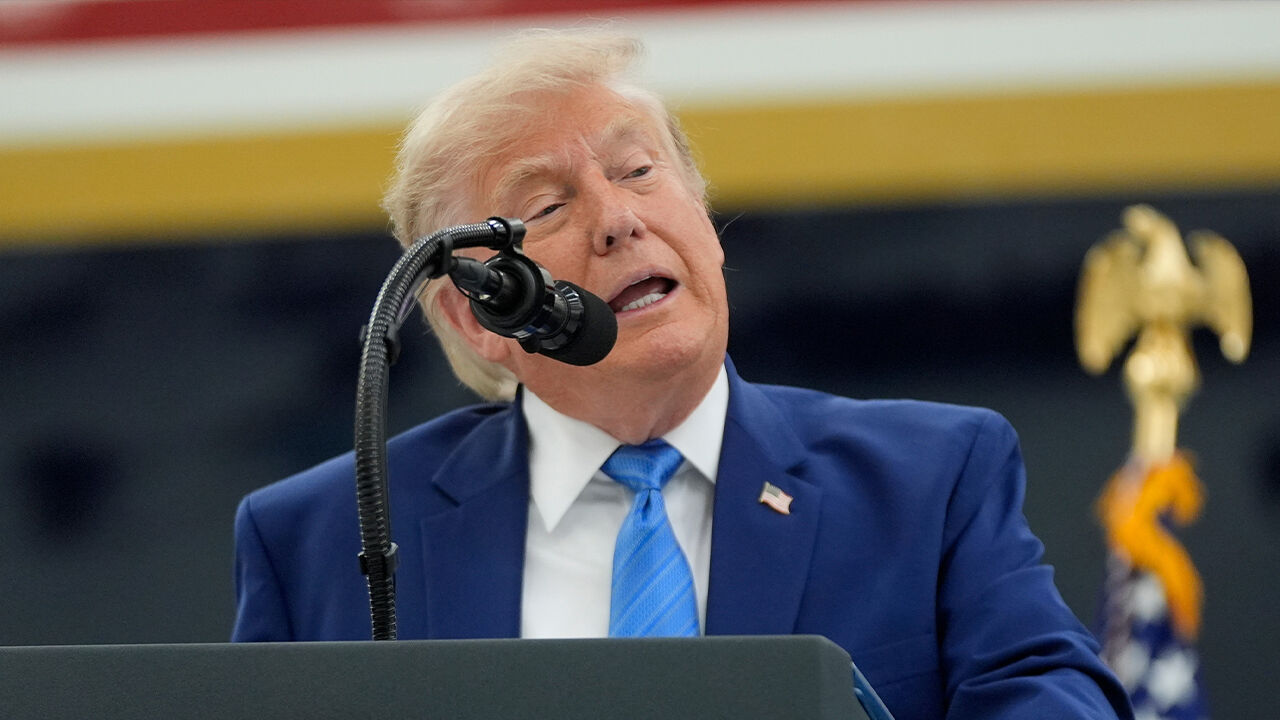
This is not the first time that US President Trump's insulting remarks have escalated into a diplomatic issue. At official White House events and other venues, Trump mocked French President Emmanuel Macron, calling him a "husband abused by his partner (wife)" and mimicking his French accent in a ridiculous manner. When France refused to provide immediate military support, such as dispatching warships, for the US-led war in Iran, Trump expressed his frustration through personal insults. The French political establishment, regardless of left or right, was collectively outraged, calling it "an absolutely unacceptable insult to the leader of an allied nation and his family." Relations between the US and France remain unprecedentedly cold to this day. That is not all. Trump continues to trigger conflicts with other major European leaders, such as UK Prime Minister Keir Starmer and German Chancellor Friedrich Merz, over NATO defense cost-sharing and trade tariffs, using harsh language like accusing them of "sucking America's blood." At this point, one might wonder: Is President Trump's mouth just reckless, blathering whatever comes out? Or is there some strategic intent behind it?
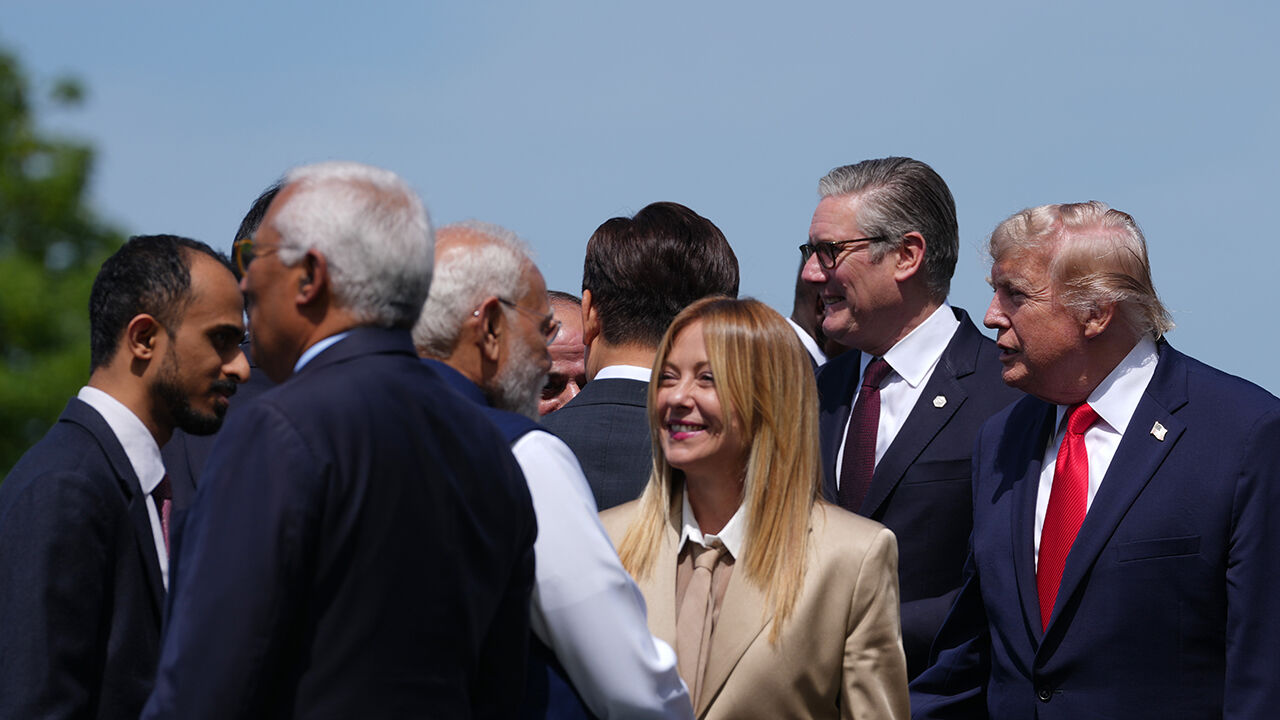
① Substantial Loss of Alliance Mobilization Power: Allies Resorting to 'Sabotage'
The reason the US can maintain its powerful hegemony is its "ability to mobilize allies" to bleed on its behalf or share economic costs in times of crisis. However, public insults directed at allied leaders dampen their willingness to cooperate. Just as France refused to dispatch warships and Spain rejected requests for cooperation regarding bases on its soil, this provides allies with a justification to pull out and say, "Do it yourself under America First," when the US desperately needs their military and economic support in the future.
② Creating a 'Domestic Political Environment' Where Allied Leaders Cannot Cooperate
Leaders of democratic nations are sensitive to their domestic public opinion and voters. If Macron or Meloni, having been insulted by Trump, meekly follow US policies, they would face fatal criticism from their own citizens for "acting as the US president's lapdog" or "abandoning national dignity." Therefore, Trump's harsh words force allied leaders to adopt a more hardline and confrontational stance toward the US, if only for the sake of their domestic politics.
③ Providing Windfall Benefits to Competitors Like China and Russia
As Prime Minister Meloni pointed out to Trump, the US president is actually conciliatory, at least in his rhetoric, toward the leaders of countries hostile to the West, such as China and Russia. On the other hand, he does not hesitate to hurl harsh insults at the leaders of allied nations. As a result, the solidarity of the Western alliance is weakening and even showing signs of crumbling. This opens up a perfect strategic loophole for China and Russia to win over European nations or pursue the diplomatic isolation of the US.
※ Please note: This article was translated by AI and may contain errors.

![[단독] "비번 XXXX" 누르자 '쓱'…아파트 줄줄이 뚫렸다](http://img.sbs.co.kr/newimg/news/20260622/202195139_300.jpg) Video News
Video News
 Video News
![[단독] "도와주세요" 몸엔 참혹한 흔적…농장 반전 정체](http://img.sbs.co.kr/newimg/news/20260622/202195141_300.jpg) Video News
Video News
 Video News
