SBS뉴스
If You Find It Hard to Catch Your Breath: The Importance of Early COPD Detection
입력 : 2026.06.29 11:38
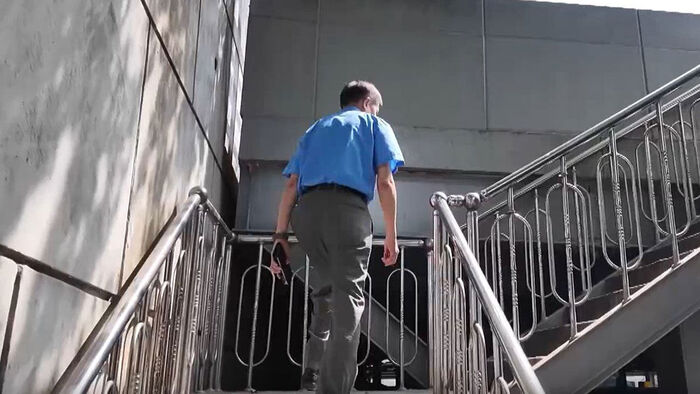
Do You Get Especially Short of Breath When Climbing Stairs?
If you find yourself feeling more short of breath than others when walking uphill or climbing stairs, or if you consistently experience at least one of these symptoms—frequent coughing, difficulty breathing, or phlegm—in your daily life, you should pay close attention to this report. Doctors suggest that these symptoms are indicators that you need to visit a hospital for a pulmonary function test. This is because they may point to Chronic Obstructive Pulmonary Disease (COPD). It is a chronic respiratory disease where the airways or alveoli are damaged and lose their normal function, primarily due to smoking, air pollution, or lung infections.
[Interview: Moon Ji-yong, Professor of Pulmonology and Allergy at Konkuk University Medical Center: Simply put, it is a disease characterized by restricted airflow in the breathing passages, specifically the bronchi and airways. Because air does not flow well, it is not only uncomfortable when inhaling, but even more difficult when exhaling, making it a disease where you become increasingly short of breath as you move.]
While COPD is relatively less known in Korea, it is considered a major life-threatening disease globally. The World Health Organization (WHO) states that there are 251 million COPD patients worldwide, with 3.17 million people losing their lives to the disease every year. It is ranked as the third leading cause of death globally, and in Korea, it is estimated that there are about 3 million patients, with the disease cited as the ninth leading cause of death.
The Importance of Early Diagnosis and Treatment
For COPD, early diagnosis and treatment are of the utmost importance. If left untreated, the lungs can deteriorate further, potentially leading to acute exacerbations that can result in death. Statistics show that among those hospitalized due to acute exacerbations, 50 percent pass away within three years, and 75 percent die within seven years.
[Interview: Moon Ji-yong, Professor of Pulmonology and Allergy at Konkuk University Medical Center: The leading causes of death we are typically aware of are cancer, followed by cardiovascular and cerebrovascular diseases. If you exclude those vascular diseases and cancer, respiratory disease is one of the leading causes of death, so you could say it ranks third or fourth.]
You may have heard the saying, "Once damaged, the lungs cannot be restored." COPD is also known as a disease that is difficult to cure completely, but it is said that with early treatment, patients can lead their daily lives with almost no limitations. Park Sang-yong, a 67-year-old resident of Seoul, is one such case.
[Interview: Park Sang-yong, COPD patient: I used to drive large cargo trucks for a long time. Back then, I smoked a lot while waiting or when stuck in traffic....]
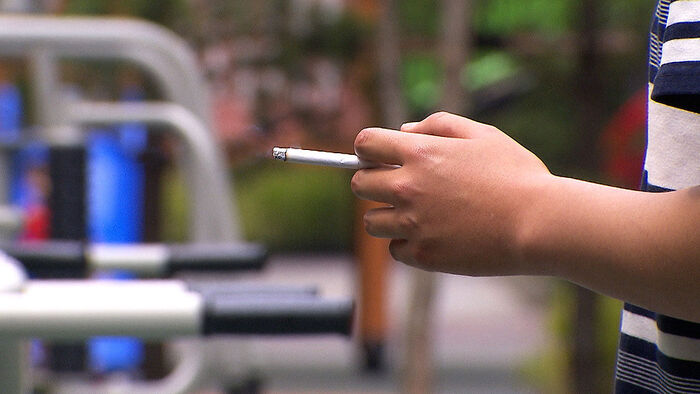
Mr. Park smoked a pack of cigarettes a day for over 40 years and worked as a truck driver for 10 years. Naturally, he would have been exposed to a significant amount of exhaust fumes. COPD treatment involves using an inhaled bronchodilator, which relieves symptoms with once-daily use. Now, after quitting smoking and receiving treatment for four years, Mr. Park has almost no difficulty in his daily life.
[Interview: Park Sang-yong, COPD patient: (Before) I was very short of breath. (When did you feel it the most?) When climbing hills or carrying heavy loads, I would get much more short of breath than others. (But do you feel much better after receiving treatment?) Yes, I definitely feel it. I don't have much trouble climbing stairs, and I'm fine when going up hills.]
However, it is said that cases like Mr. Park, where early diagnosis leads to treatment, are rare. The diagnosis rate is reportedly only in the 2 percent range, meaning that out of 1,000 patients, only about 20 are aware of their condition and are receiving treatment.
What Causes COPD?
So, what causes this disease? Medical staff at Konkuk University Medical Center in Seoul, who are conducting research on COPD, report that there is a significantly high number of taxi drivers among their patients. Smoking and exhaust fumes are presumed to be the main causes. Other causes include Asian dust and fine dust.
[Interview: Moon Ji-yong, Professor of Pulmonology and Allergy at Konkuk University Medical Center: Representative risk factors include smoking and old age. Other factors include respiratory infections like tuberculosis, and environmental factors such as exhaust fumes and air pollution—both indoors and outdoors. Occupational exposure, such as constantly breathing in dust or chemicals, as well as poor lung development during growth, and a history of asthma or frequent respiratory infections, can all increase the risk of developing airflow obstruction later in life.]
Another notable point is that 13 percent of domestic patients have never smoked. Even if you do not smoke, if you have symptoms, you should visit a hospital and get tested.
How Is It Diagnosed?
The pulmonary function test for diagnosing COPD measures the amount of air exhaled after a deep inhalation.
[Voice: Inhale once more, and blow. Blow! Keep blowing. Inhale again.]
The good news is that starting this year, pulmonary function tests have been included in the national health screening program for COPD diagnosis, allowing individuals aged 56 and 66 to naturally receive the test during their national health checkups. Even if you are not in that age group or do not smoke, if you find yourself extremely short of breath when moving, it is recommended to find a hospital where you can get tested. With health insurance coverage, the out-of-pocket cost for the test is around the 30,000 won level.
[Interview: Moon Ji-yong, Professor of Pulmonology and Allergy at Konkuk University Medical Center: Because it is a chronic disease, once it has progressed without treatment, it cannot be reversed to a normal state. Therefore, it is important to detect it early before the disease progresses and take treatment or preventive measures to stop it from getting worse.]
 동영상
동영상※ Please note: This article was translated by AI and may contain errors.
Copyright Ⓒ SBS. All rights reserved. 무단 전재, 재배포 및 AI학습 이용 금지