SBS NEWS
Basic Pension to Require at Least 5 Years of Domestic Residency Starting Next Year
Published : Nov 5, 2026 2:52 PM

▲ Basic Pension
Starting next year, individuals will be required to have lived in South Korea for a minimum of five years to be eligible for the basic pension.
Previously, the lack of a residency requirement led to a steady increase in dual nationals receiving the basic pension, prompting a system reform to ensure fairness with domestic citizens.
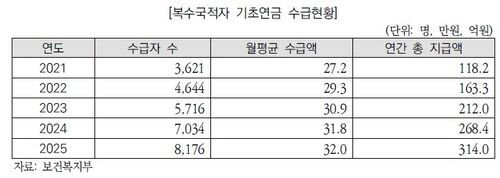
According to the National Assembly Budget Office and the Ministry of Health and Welfare, the number of dual nationals receiving the basic pension surged by 125.8%, rising from 3,621 in 2021 to 8,176 last year.
During the same period, their average monthly basic pension payment increased from 272,000 won to 320,000 won, while total payouts grew from 11.82 billion won to 31.4 billion won.
The overseas public and private pensions as well as financial assets of dual nationals have remained a blind spot in basic pension eligibility screenings due to limitations in domestic administrative networks.
Current regulations do not include a minimum residency period requirement following entry into the country to qualify for the basic pension.
However, eligibility requirements will be tightened starting in April of next year.
Previously, since the law lacked a residency requirement, applicants could receive the pension simply by meeting the age (65 or older) and income criteria. Recently, however, the law was amended so that the basic pension will not be paid to individuals who have not resided in South Korea for five years or more after turning 19.
(Photo provided by the National Assembly Budget Office, Yonhap News)
※ Please note: This article was translated by AI and may contain errors.
Copyright Ⓒ SBS. All rights reserved. Unauthorized reproduction, redistribution, and use for AI training are prohibited.