SBS NEWS
"How Could the Director of the World's No. 3 Museum Do This?": Inside the Exhibition of 50,000-Won Pro-Japanese Calligraphy
Published : Oct 27, 2026 9:20 AM

⚡ Key Takeaways
Mistaken Exhibition of Pro-Japanese Figure's Calligraphy and Self-Recommendation Controversy: Yu Hong-june, director of the National Museum of Korea, personally recommended for a special exhibition a piece of calligraphy of uncertain origin that he had purchased at an online auction, self-assessing it as the work of patriotic martyr Park Won-geun. However, verification revealed that it was written by Park Jung-yang, a pro-Japanese collaborator, sparking fierce public backlash.
Flawed Verification and Concealment of Ownership: The formal vetting process was carried out poorly within just two weeks while skipping an evaluation by calligraphy experts. Director Yu also concealed the fact that he was the owner of the piece even while issuing public apologies, dealing a major blow to institutional fairness and trust.
Director's Resignation and Damaged Institutional Credibility: Following several past controversies, Director Yu resigned as head of the museum over this scandal, leaving a severe stain on the external reputation of the National Museum of Korea, which had been building global renown with world-class visitor numbers.
With 6.5 million visitors last year, it ranked third in the world for annual museum attendance. Is this in a European capital? Or a resort city in Southeast Asia? It is the National Museum of Korea. While the museum has become a major hotspot not only for domestic visitors but also for international tourists, it recently became a trending topic for a very different, troubling reason.
01. It Turned Out to Be the Calligraphy of a Pro-Japanese Figure
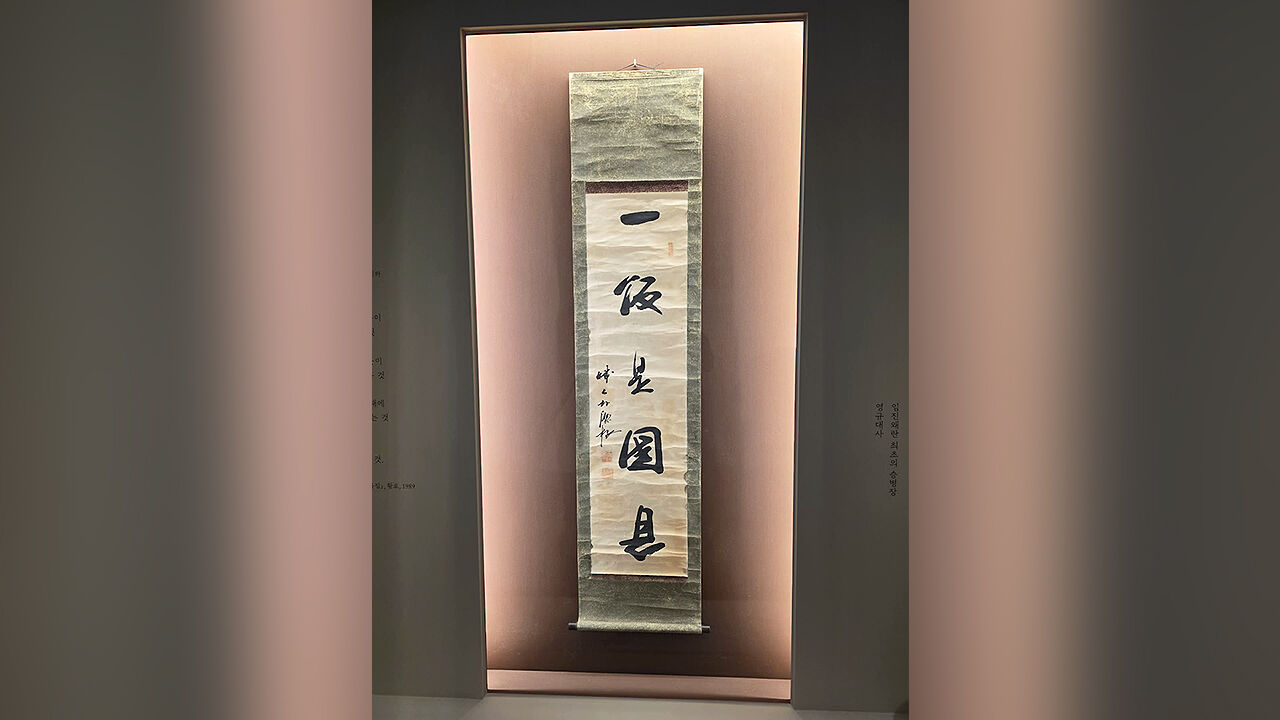
In July, a piece of calligraphy was featured in a special exhibition at the National Museum of Korea. The phrase read "Ilban Sigukun" (일반시국은), meaning "Even a single bowl of rice is all grace from the nation."
At the time of the exhibition, the work was introduced as the surviving calligraphy of independence activist Park Won-geun. Park Yong-hyun, the son of Park Won-geun, who had never possessed a single relic of his late father throughout his life, was moved to tears upon seeing the piece displayed in the exhibition hall.
A few days later, however, suspicions were raised that the name "Park Won-geun" written on the work was not the independence patriot. A tip-off suggested that the name was an alias used by Park Jung-yang, a well-known pro-Japanese collaborator.
02. Who Was the Owner of the Work?
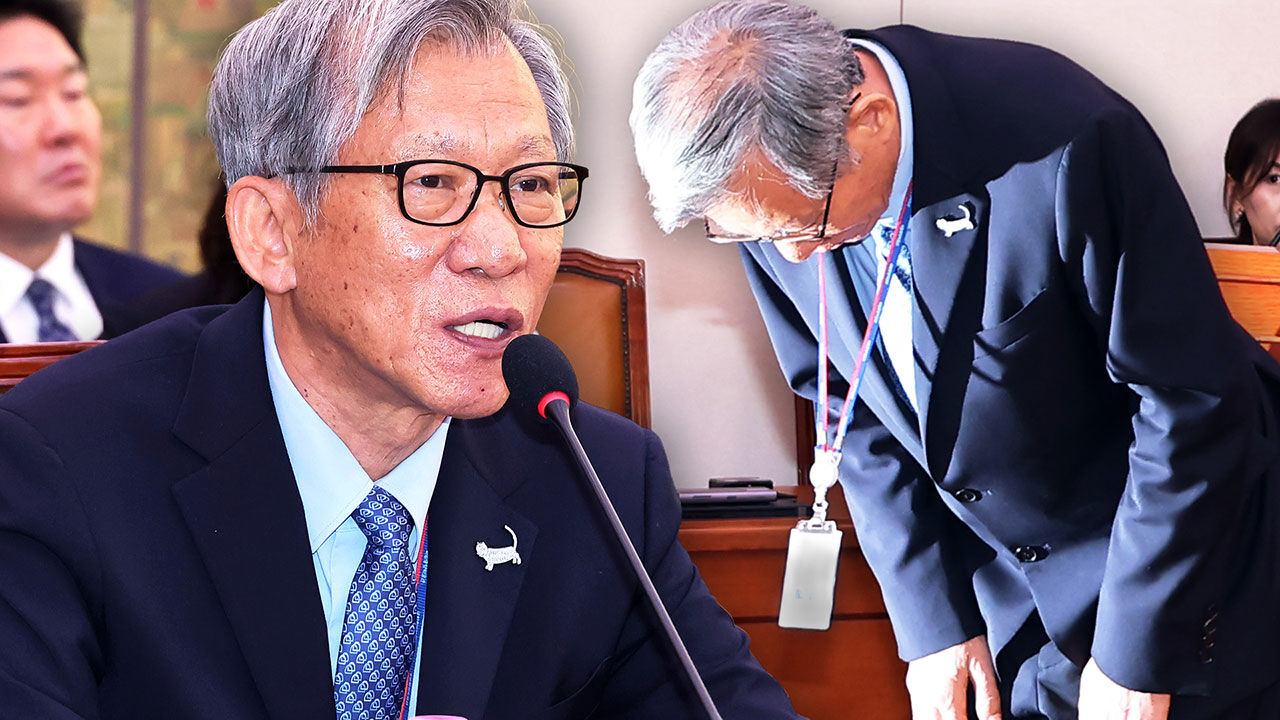
As the controversy grew, the National Museum of Korea withdrew the piece on August 10. Two days after the withdrawal, Director Yu Hong-june bowed in apology multiple times, issuing a statement acknowledging shortcomings in the museum's artifact verification process. Following about a month of cross-verification by experts, the work was confirmed to indeed be the calligraphy of pro-Japanese collaborator Park Jung-yang.
The incident appeared to draw to a close. However, about a month later, a new fact came to light: the owner of the work was Director Yu himself. Despite apologizing four times up to that point, Director Yu had never once stated that "this was originally my personal collection."
Choi Min-hee | Member of the National Assembly Culture, Sports and Tourism Committee
Why did you not disclose that you were the owner?
Yu Hong-june | Director of the National Museum of Korea
As an art historian, I hesitated to publicly disclose that I had made such a major mistake.
Why did you not disclose that you were the owner?
Yu Hong-june | Director of the National Museum of Korea
As an art historian, I hesitated to publicly disclose that I had made such a major mistake.
The process through which he acquired the piece and put it on display was also riddled with questionable aspects. Director Yu purchased the work for 50,000 won at an online auction in 2019, where the listed artist was neither patriot Park Won-geun nor collaborator Park Jung-yang, but "Park Deok-won."
Because the signature on the work was written in cursive script, the auction company misidentified it as "Park Deok-won" rather than "Park Won-geun." Director Yu personally judged it to be the calligraphy of patriot Park Won-geun and recommended it for exhibition at the museum. In effect, Director Yu conducted a self-verification of an artwork that was not even originally listed under Park Won-geun's name and pushed it all the way to display.
Some raised suspicions that he attempted to inflate the value of a personal collection purchased for just 50,000 won by having it exhibited at the national museum. In response, Director Yu claimed that he had intended to donate the piece to the Buyeo Cultural Center and had no intention of pursuing personal gain.
03. Was There No Verification?
According to documents submitted by the museum to the National Assembly, the controversial piece was not included in the initial exhibition catalog finalized in February. However, discussions to include the work began on May 8, when Director Yu directly recommended it.
Just 11 days after the recommendation, the museum drafted an exhibition consent form and receipt. Three days after that, the museum confirmed the display location after reporting to Director Yu. The decision to exhibit the piece took only two weeks following the director's recommendation.
The National Museum of Korea typically spends two to three years preparing large-scale special exhibitions, carrying out numerous verification procedures along the way. While the exact time required to verify an individual work varies, in this case, it was merely two weeks—extraordinarily brief by any standard.
Kim Seung-soo | Member of the National Assembly Culture, Sports and Tourism Committee
Did you ever receive an appraisal confirming that this was the handwriting of patriot Park Won-geun?
Yu Hong-june | Director of the National Museum of Korea
Because I myself specialize in calligraphy history, I felt certain about it.
Did you ever receive an appraisal confirming that this was the handwriting of patriot Park Won-geun?
Yu Hong-june | Director of the National Museum of Korea
Because I myself specialize in calligraphy history, I felt certain about it.
It was further revealed that no calligraphy experts took part in examining the piece during the verification process, and no comparative analysis with other handwriting samples was conducted.
04. From Cultural Heritage Champion to Controversy...
Director Yu is the author of "My Exploration of Cultural Heritage," a bestselling book series that promoted the value of Korean cultural assets through his personal nationwide journeys. Since its first release in 1993, the series is estimated to have sold over 5 million copies in total. He served as head of the Cultural Heritage Administration under the Roh Moo-hyun administration and was appointed as the oldest director in the history of the National Museum of Korea at the age of 76 under the Lee Jae-myung administration.
Despite his distinguished career, he has faced numerous controversies. During his tenure as head of the Cultural Heritage Administration, he drew sharp criticism for hosting a luncheon with guests using LP gas and charcoal grills at the Tomb of King Hyojong, where cooking was strictly prohibited. Another controversy arose when it was revealed that his own name was inscribed inside the reconstructed bronze bell of Naksansa Temple, which had been destroyed in a wildfire. He also repeatedly faced scrutiny for inappropriate conduct, such as purchasing and distributing his own books using the Cultural Heritage Administration's budget. Now, more than a decade later, another cultural heritage-related scandal has forced him to step down from the directorship of the National Museum of Korea, a position he once described as his lifelong dream.
Last year, souvenir sales at the national museum reached 41.3 billion won, and the "Museum Dress-Up" trend, in which visitors dress up as national artifacts, took social media by storm. All of this was made possible by the dedicated efforts of museum staff who worked tirelessly to showcase the value of Korea's history. Yet due to the risk posed by a single leader, the hard-earned trust built by the National Museum of Korea has suffered a severe blow.
Yu Hong-june | Director of the National Museum of Korea
The deep trust that the public has extended to the National Museum of Korea and the value built by the hard work of museum staff have collapsed in an instant due to my grave oversight. For this, I bow my head in sincere apology for my serious personal fault.
The deep trust that the public has extended to the National Museum of Korea and the value built by the hard work of museum staff have collapsed in an instant due to my grave oversight. For this, I bow my head in sincere apology for my serious personal fault.
Deep Dive Q&A
Q1. How did a piece exhibited at the National Museum of Korea's special exhibition as the calligraphy of patriot Park Won-geun turn out to be the work of pro-Japanese collaborator Park Jung-yang, and how did Director Yu Hong-june's "self-verification" take place?
A1. Shortly after the exhibition opened, a tip-off indicated that the signature on the work was an alias used by pro-Japanese collaborator Park Jung-yang. Cross-verification by experts ultimately confirmed the handwriting as Park Jung-yang's. In this process, it came to light that Director Yu had personally determined a piece from his own collection, purchased at an auction in 2019 for 50,000 won, to be the "calligraphy of an independence martyr." Using his authority as director, he recommended the piece, bypassing the usual two to three years of vetting procedures in just two weeks to place it on public display.
Q2. What explanation did Director Yu Hong-june offer regarding the concealment of his ownership during the parliamentary audit by the National Assembly Culture, Sports and Tourism Committee, and what were the consequences?
A2. Director Yu failed to disclose that he was the owner while issuing four consecutive apologies. He explained, "As an art historian, I hesitated to publicly disclose that I had made such a major mistake." Regarding allegations that he sought personal gain through an auction purchase, he maintained that his goal was donation. Nevertheless, taking responsibility for damaging the external credibility of the National Museum of Korea, he ultimately resigned as museum director.
※ Please note: This article was translated by AI and may contain errors.
Copyright Ⓒ SBS. All rights reserved. Unauthorized reproduction, redistribution, and use for AI training are prohibited.