SBS NEWS
Palace Admission Fee Hike of Up to Fivefold Postponed a Month Ahead of Announcement: Why?
Published : Oct 8, 2026 7:37 AM

▲ Tourists visiting Gyeongbokgung Palace
The South Korean government has abruptly postponed a planned hike in admission fees for royal palaces and tombs that was set to take effect in January next year, it has been confirmed.
The government decided to delay the announcement of the fee hike plan, originally scheduled for next month, and prioritize improving visitor services and reviewing the free admission system first.
According to an internal review report on "pushing forward the rationalization of royal palace and tomb admission fees" dated October 2 from the Royal Palaces and Tombs Center under the Korea Heritage Service, obtained by SBS through the office of Representative Choi Minhee of the Democratic Party of Korea on the National Assembly's Culture, Sports and Tourism Committee, the government has changed the timing of both the announcement and implementation of the fee hike to "undecided."
While the policy to raise admission fees has not been scrapped entirely, the initially planned schedule for the announcement and implementation has been nullified.
Earlier, a government-commissioned research study proposed unifying admission fees for ancient royal palaces and Jongmyo Shrine to 5,000 won and adjusting the fee for royal tombs and gardens to 3,000 won.
Under this unified fee proposal for palaces and Jongmyo Shrine, tickets for Deoksugung Palace, Changgyeonggung Palace, and Jongmyo Shrine—where admission is currently 1,000 won—would rise to 5,000 won, a fivefold increase from current prices.
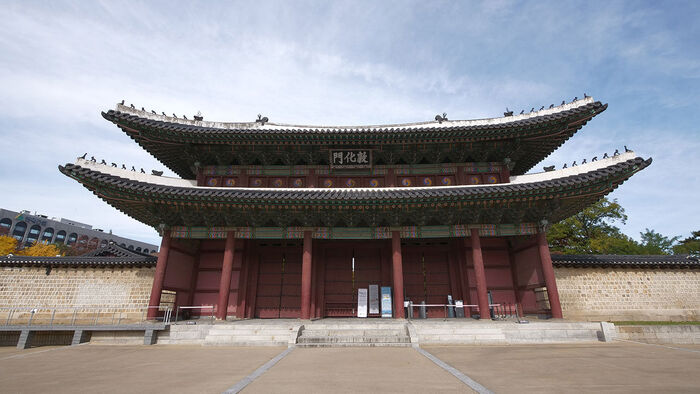
▲ Donhwamun Gate of Changdeokgung Palace
In the internal report, the Royal Palaces and Tombs Center stated, "At present, the link between service improvement plans and admission fee increases is insufficient."
It explained that moving forward with improvement plans before adjusting fees, rather than raising fees first and improving services later, is more appropriate for securing public trust.
It also determined that proceeding with the original schedule without a sufficient impact analysis on the scale and timing of the increase could make it difficult to gain public acceptance.
As higher admission fees translate into increased costs for the public to enjoy culture, the impact on public burden and public interest must be thoroughly reviewed.
Accordingly, the government plans to prioritize improving the viewing environment, convenience facilities, and guidance services starting in January next year.
It also decided to develop a new fee structure after reviewing the fairness and effectiveness of the free admission policy for visitors wearing hanbok (traditional Korean clothing), as well as issues surrounding hanfu.
The government had originally planned to announce the fee hike next month following the research study in December last year, consultations with relevant ministries and a public survey earlier this year, and a public forum in September.
The head of the Korea Heritage Service had also stated during a presidential briefing in August that new admission fee standards would be announced in November and applied starting January 1 next year.
The push to raise royal palace and tomb admission fees had been pursued in line with the government's discussions on "rationalizing" admission and usage fees for state-run facilities.
The discussions on fee hikes were prompted by the fact that admission fees had been frozen for 20 years while labor and maintenance costs continued to rise.
A survey conducted by the Korea Heritage Service earlier this year showed that while a majority of respondents said they would still visit even if fees were raised, many also considered the current fees appropriate.
In a web survey conducted by Hankook Research commissioned by the Royal Palaces and Tombs Center from February 6 to 9 this year on 1,000 men and women aged 18 and older nationwide, 73.1 percent of respondents answered they would still visit even if admission fees were raised, but when asked about the appropriate fee for Gyeongbokgung and Changdeokgung palaces, 62 percent selected the current price of 3,000 won.
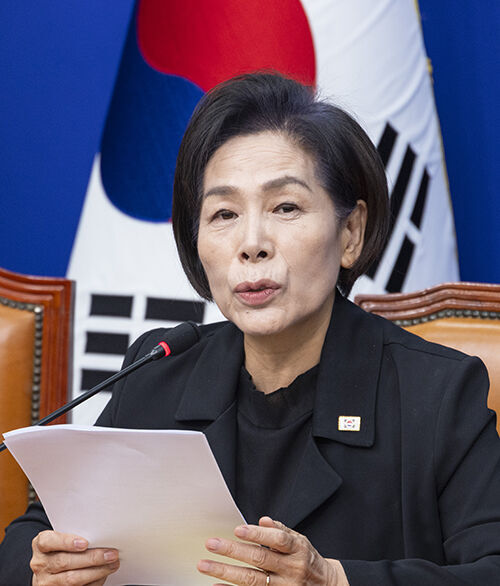
▲ Democratic Party of Korea Supreme Council Member Choi Minhee
Representative Choi Minhee emphasized, "The rationalization of palace and tomb admission fees is not simply a matter of fee hikes, but an issue that must simultaneously consider the public's right to enjoy culture, the preservation and management of palaces and tombs, and the improvement of visitor services; it must be pursued cautiously while minimizing the public burden." She added, "Now that the government has altered its original plan, it needs to clearly explain the background behind this shift and its future direction, and promptly formulate a reasonable improvement plan through sufficient public discussion."
※ Please note: This article was translated by AI and may contain errors.
Copyright Ⓒ SBS. All rights reserved. Unauthorized reproduction, redistribution, and use for AI training are prohibited.