SBS NEWS
South Korea Mistaken for Republic of China Amid String of Operational Blunders at Aichi-Nagoya Asian Games
Published : Sep 23, 2026 4:18 PM
According to outlets including the Yomiuri Shimbun on September 23, the Korean Sport & Olympic Committee lodged a protest after a major error occurred during the men's hockey match between South Korea and Bangladesh on September 18, where the North Korean anthem was mistakenly played. The organizing committee subsequently issued an official apology.
During the modern pentathlon medal ceremony on September 20, South Korea was also mistakenly introduced as the "Republic of China" before the error was corrected.
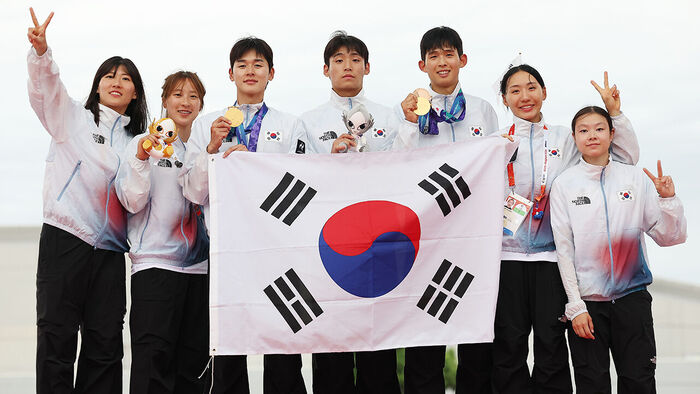
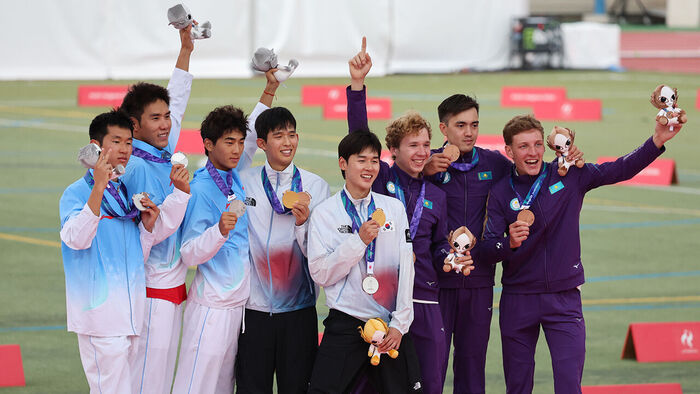
Disruptions related to transportation and lodging also continued.
On September 20, ahead of the men's basketball final, the South Korean national team had to cancel its morning training session due to vehicle dispatch issues.
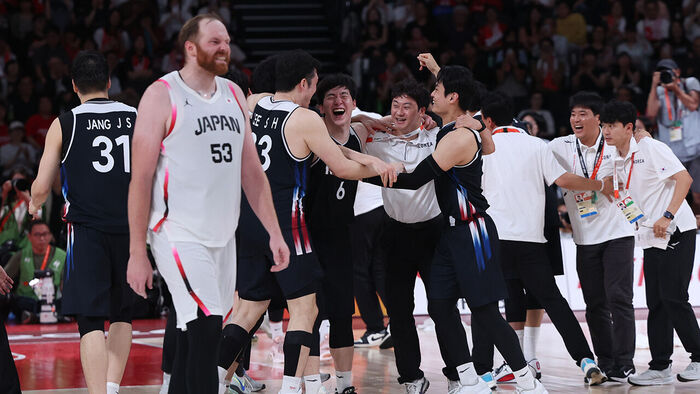
With the Chinese delegation also left stranded at the airport for several hours, transportation disruptions are occurring two to three times every day.
In particular, as this tournament opted not to build a separate athletes' village and instead utilized large cruise ships and other facilities scattered across different locations for lodging, complaints from delegations of various countries have poured in regarding delayed check-in procedures and difficulties with room assignments.
As the controversy grew, Omi Takaaki, Deputy Secretary-General of the organizing committee, stated during a press conference, "I apologize for the human error."
However, he explained, "There was no impact on the competitions themselves, and we are coming up with improvement measures every day."
He also clarified that issues such as bus dispatch delays and accommodation holdups were partly caused by late-night or urgent requests from various national delegations, as well as incomplete documentation.
Local media analyzed that the exclusion of major advertising agencies such as Dentsu in the wake of the Tokyo Olympics corruption scandal led to a massive influx of inexperienced personnel, contributing to the operational ineptitude.
Addressing this, Omi Takaaki, Deputy Secretary-General of the organizing committee, said, "It is possible that human error occurred because many staff members lack experience," while adding, "There were no critical mistakes that affected the games, and we are managing to push through somehow."
(Photo: Yonhap News)
※ Please note: This article was translated by AI and may contain errors.
Copyright Ⓒ SBS. All rights reserved. Unauthorized reproduction, redistribution, and use for AI training are prohibited.