SBS NEWS
Anthropic Posts Adjusted Operating Profit for Second Straight Quarter
Published : Sep 14, 2026 1:30 PM

▲ Dario Amodei, CEO of Anthropic
Ahead of its large-scale initial public offering (IPO), artificial intelligence (AI) company Anthropic has told investors that its adjusted operating profit, excluding expenses such as stock-based compensation, will record a surplus for the second consecutive quarter, the Financial Times (FT) reported on September 13 (local time).
To dispel concerns that it is running out of cash, Anthropic explained this to some shareholders, stating that its gross profit margin exceeds 80 percent before factoring in revenue sharing with partner companies like Amazon and the costs of training AI models, according to multiple sources familiar with the matter.
Anthropic's second-quarter revenue surged 14-fold year-on-year to 11.5 billion dollars (approx. 15.5 trillion KRW), enabling it to achieve its first-ever adjusted operating profit surplus.
Its annualized run-rate revenue jumped from 9 billion dollars at the end of last year to 65 billion dollars as of the end of July.
"If Anthropic maintains these margins and growth rates, it will be very difficult for others to catch up with Anthropic, which possesses vast computing resources," said Dylan Patel, an analyst at SemiAnalysis.
Investors expect Anthropic's annualized run-rate revenue to reach 120 billion dollars (approx. 161 trillion KRW) by the end of this year and approach triple that amount by the end of next year, he added.
Anthropic had planned to release its prospectus for the IPO last week, but ultimately shared it only with select investors, sources said.
The FT pointed out that "demands to slow down or halt the pace of AI development are erupting in complex ways, making it difficult to forecast the business direction," adding that "while slowing down development could save billions of dollars in model training costs, it would also leave room for competitors to catch up."
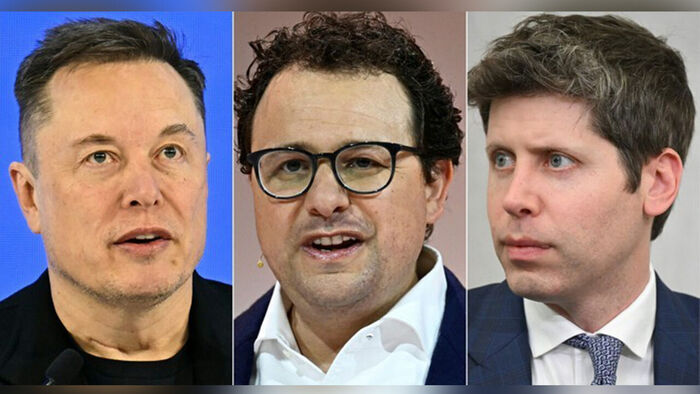
▲ Elon Musk SpaceX CEO, Dario Amodei Anthropic CEO, Sam Altman OpenAI CEO
Anthropic CEO Dario Amodei urged on September 12 that the pace of AI development should be regulated, and OpenAI CEO Sam Altman and SpaceX CEO Elon Musk also expressed agreement.
In an interview with the U.S. business magazine Fortune, Altman stated, "I will keep OpenAI private this year," adding that "growing concerns over AI safety make this year an inappropriate time to go public."
(Photo: AP, Yonhap News)
※ Please note: This article was translated by AI and may contain errors.
Copyright Ⓒ SBS. All rights reserved. Unauthorized reproduction, redistribution, and use for AI training are prohibited.