SBS News
Why CoreWeave and Nebius Are Surging: The Curious Growth Strategy of 'Neocloud' Providers
Published : Aug 31, 2026 8:37 AM
OhGraph

⚡ Spf Key Takeaways
Neocloud companies are rapidly expanding their market share by capitalizing on the time constraints traditional Big Tech faces in building infrastructure, quickly procuring and renting out Nvidia GPUs.
Neocloud providers such as CoreWeave are aggressively expanding through a circular financing structure, taking out loans backed by GPUs to purchase additional hardware and subsequently using that new equipment as collateral for further funding.
As AI infrastructure demand shifts from training to inference and Big Tech accelerates the development of proprietary AI chips, the current GPU-centric business model could face significant restructuring in response to future market shifts.
Hello, this is Reporter An Hye-min, working with and analyzing data. The stock market these days remains highly volatile. Investors fatigued by the roller-coaster Korean market seem to be turning their eyes back toward the U.S. market, but the U.S. market is not an easy environment either. Amid this, one sector stands out with stellar performance: the "Neocloud."
Names like CoreWeave and Nebius are frequently heard these days, but what exactly do these companies do? In today's OhGraph, we will explore why the cloud is drawing so much attention in the AI era and what kinds of companies are defined as Neoclouds through various data and charts.
'Neoclouds' Emerge Through the Gaps of Hyperscalers
Earnings season for Big Tech companies has just swept through. It is a peculiar time where stock markets are moving against expectations despite absurdly strong corporate earnings. Yet recently, certain companies have seen their stock prices surge on earnings that beat market expectations. These are the Neocloud companies: CoreWeave and Nebius.
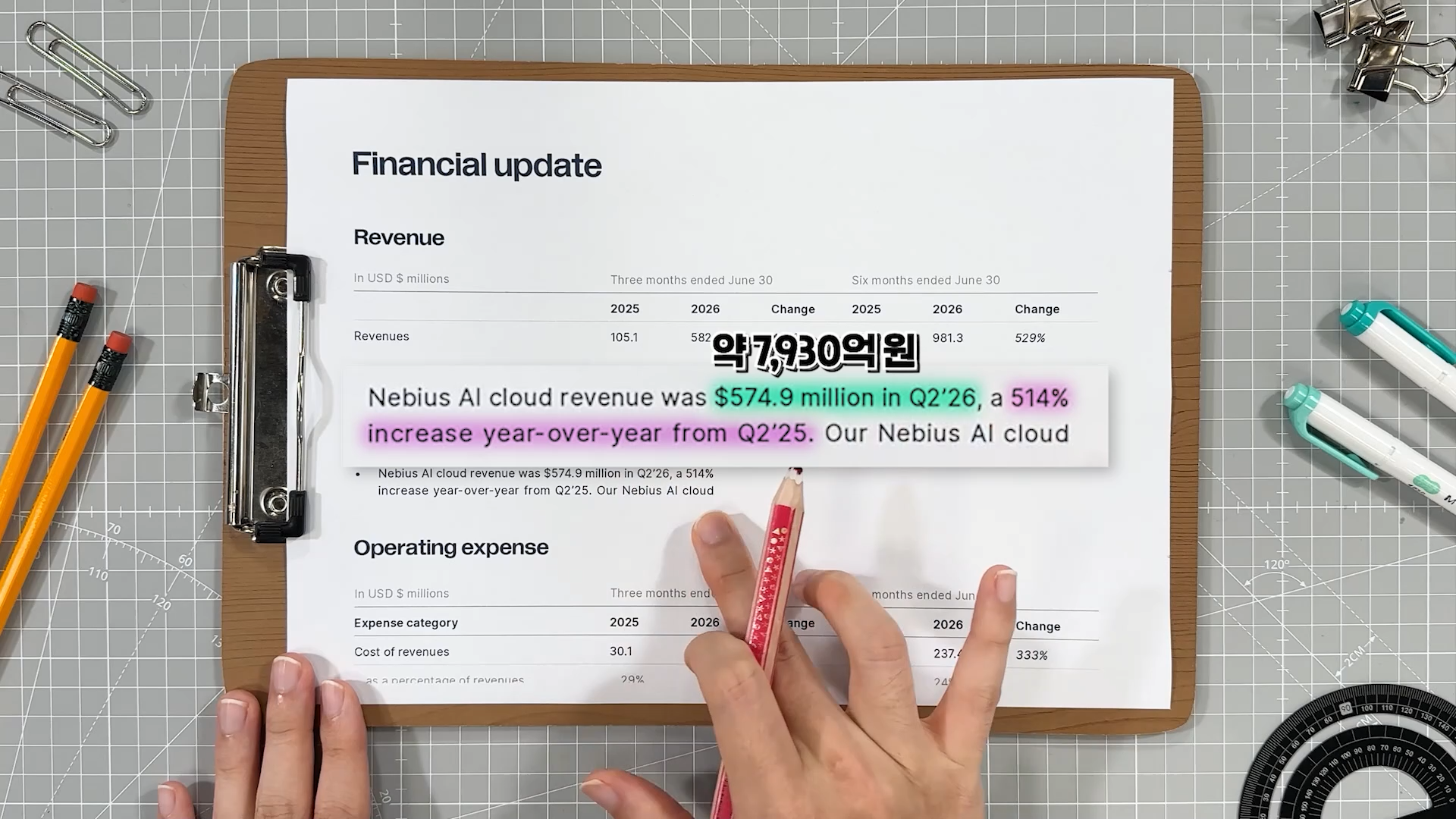

The performance of CoreWeave, the leader in the Neocloud market, is equally impressive. Its second-quarter revenue grew 112% year-over-year to reach $2.58 billion.
What exactly is a Neocloud, and why are these companies delivering such strong financial results and seeing their stock prices rise? Before diving into Neoclouds, let's first look at the cloud itself.
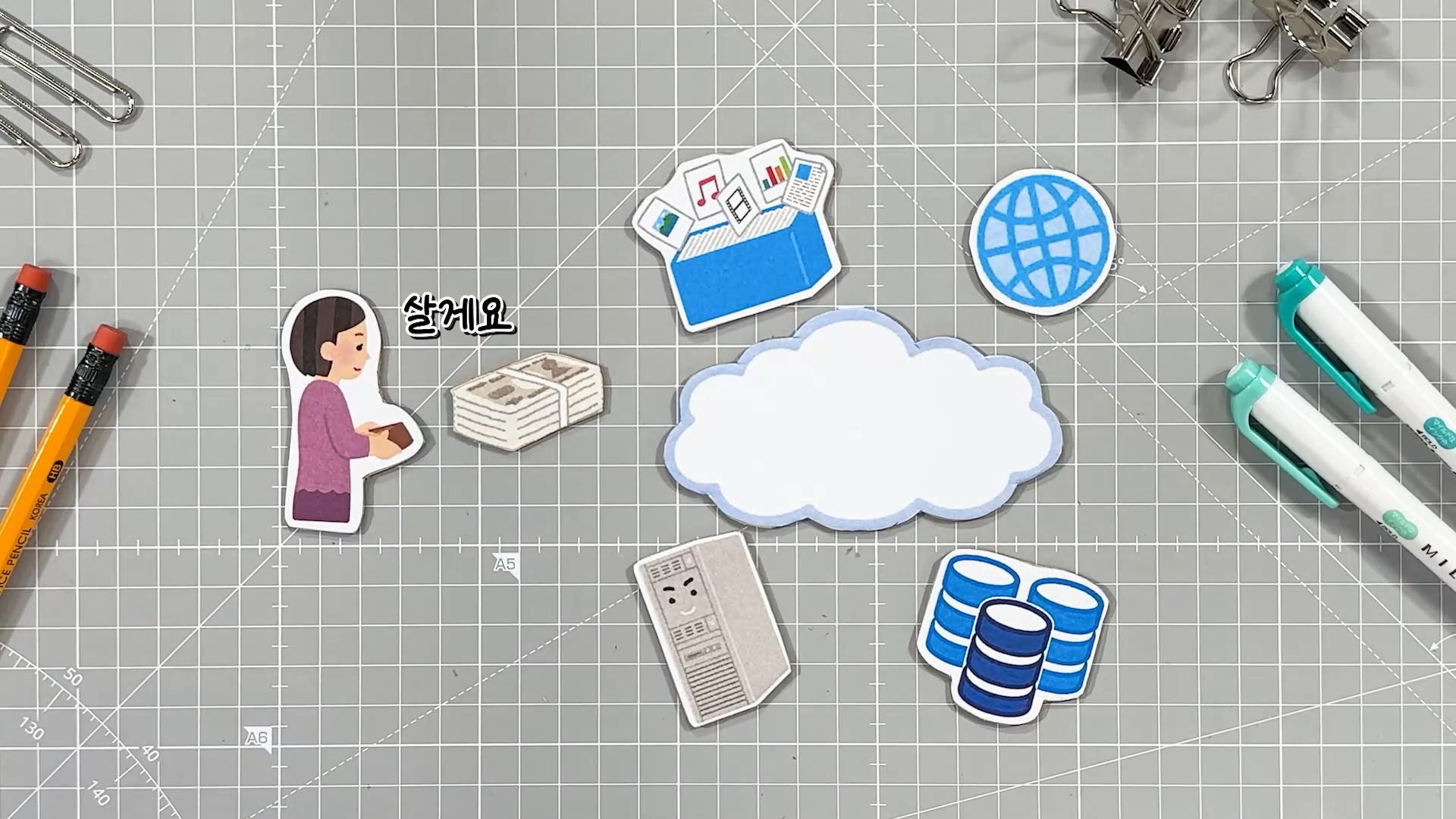
Imagine running an internet service in the 2000s. You would first have to forecast user numbers and purchase servers, networks, and databases accordingly. But what if your forecast was wrong? If you bought too few servers, your service would crash; if you bought too many, you would waste vast amounts of capital. Cloud technology solved this very problem.
The true cloud revolution began in 2006 with the launch of Amazon's AWS. Through AWS, Amazon started renting out its data center infrastructure to external clients. The market response upon AWS's debut was explosive. Within two months of launching, demand reached a scale that exceeded the total computing capacity of Amazon.com at the time.
Seeing the signs of a massive hit, other Big Tech companies jumped into the cloud market in earnest. Google entered the fray in 2008, and Microsoft joined with Azure in 2010. This marked the formation of the dominant "Big 3" hyperscaler landscape. Hyperscalers literally refer to companies possessing "hyperscale" infrastructure. Platform giants operating millions of servers and dozens of data centers worldwide began dominating this market.
However, this market is undergoing a rapid transformation due to AI. While first-generation cloud services focused on simple storage or sharing CPU-based computing resources, the market is now undergoing a massive shift centered around AI. It is transitioning into a computational infrastructure architecture essential for training and running inference on AI models.
The problem is that traditional data centers were not designed for AI. They were built with architectures enabling various internet businesses to use them for diverse purposes. To overcome these structural limitations, hyperscalers are aggressively ramping up capital expenditures.
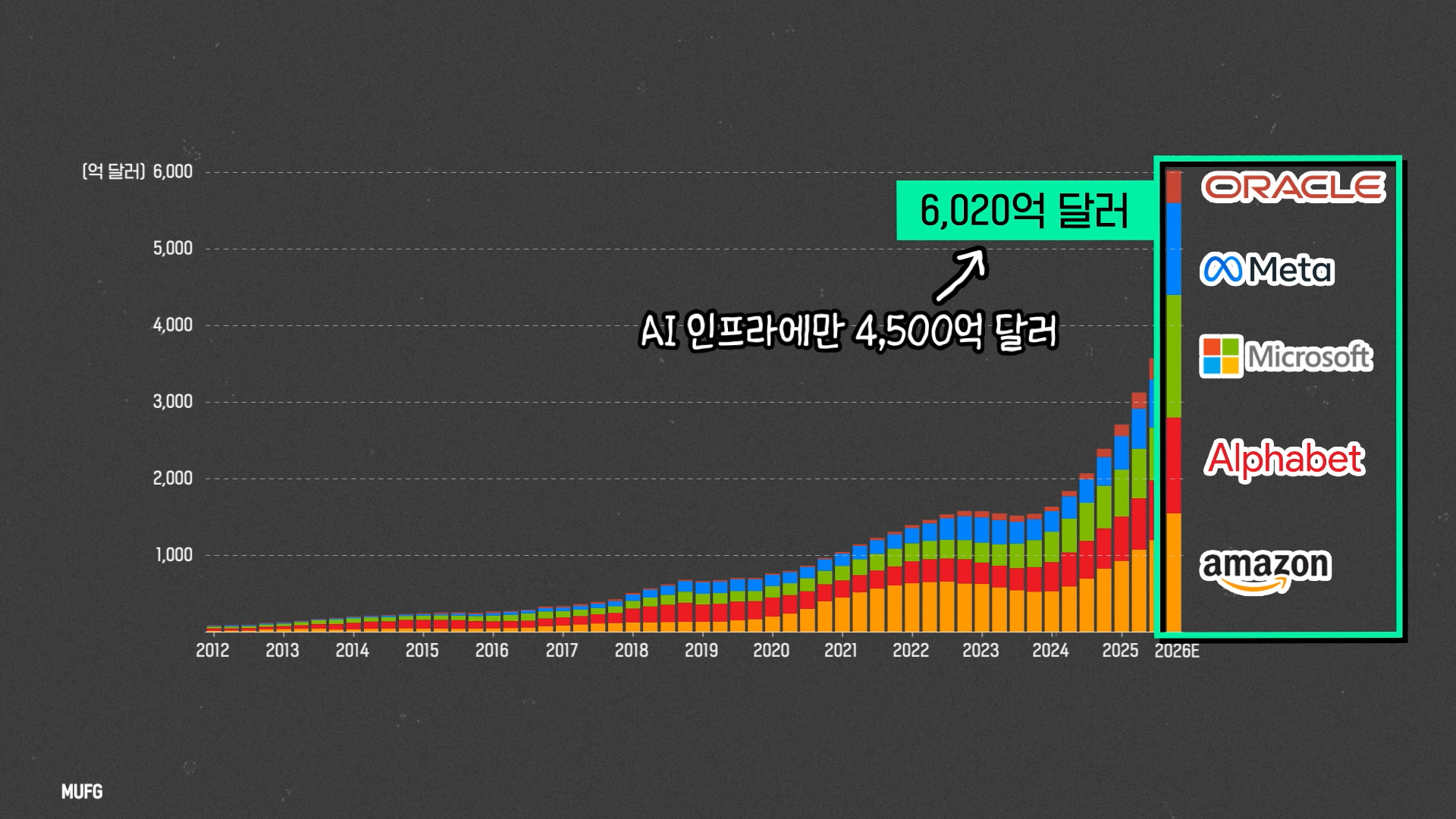
Even with such massive spending planned, traditional hyperscalers face the problem of being overly massive and bureaucratic. Securing land, establishing power grids, and obtaining construction permits to build dedicated AI data centers takes an agonizingly long time. Even fast-tracked projects typically take 3 to 5 years, while demand for AI continues to skyrocket in the meantime.
Neocloud companies emerged precisely to target this gap. They capitalized on the construction timeline bottlenecks and supply constraints of physical infrastructure. They quickly procure Nvidia's latest GPUs, configure servers, and immediately rent them out to clients needing them to run AI workloads.
Building a Business on GPU Collateral... Is the Neocloud Safe?
While the Neocloud's swift response to market gaps and customer demand is one reason behind recent investor enthusiasm, another factor is likely the reality that hyperscaler capital expenditures have grown excessively large. As seen earlier, capital spending by major hyperscalers has surpassed $600 billion. However, the real concern is that far more obligations exist that are not recorded as direct debt on balance sheets.
The most prominent example is Hyperion, an AI data center Meta is constructing in Louisiana. Hyperion is a massive facility four times the size of Central Park.
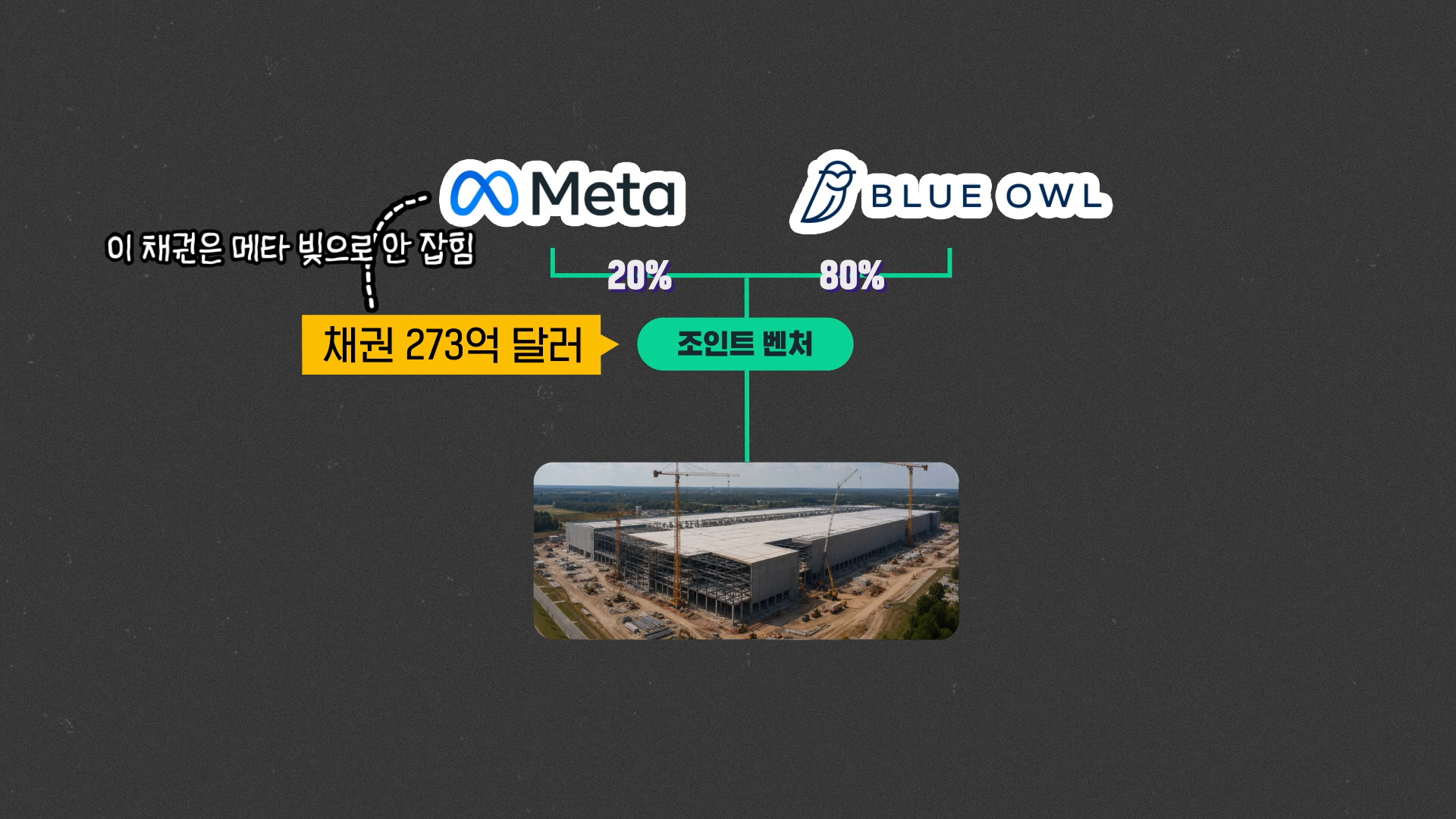
This joint venture raised construction funds by issuing $27.3 billion in bonds. However, these bonds are not recorded as direct debt on Meta's balance sheet. Once construction is complete, Meta plans to lease the data center and pay rent. In this manner, Big Tech companies carry massive obligations under contracted commitments that have not yet commenced. The Wall Street Journal estimates that when commitments and obligations are included, such liabilities reach $3 trillion.
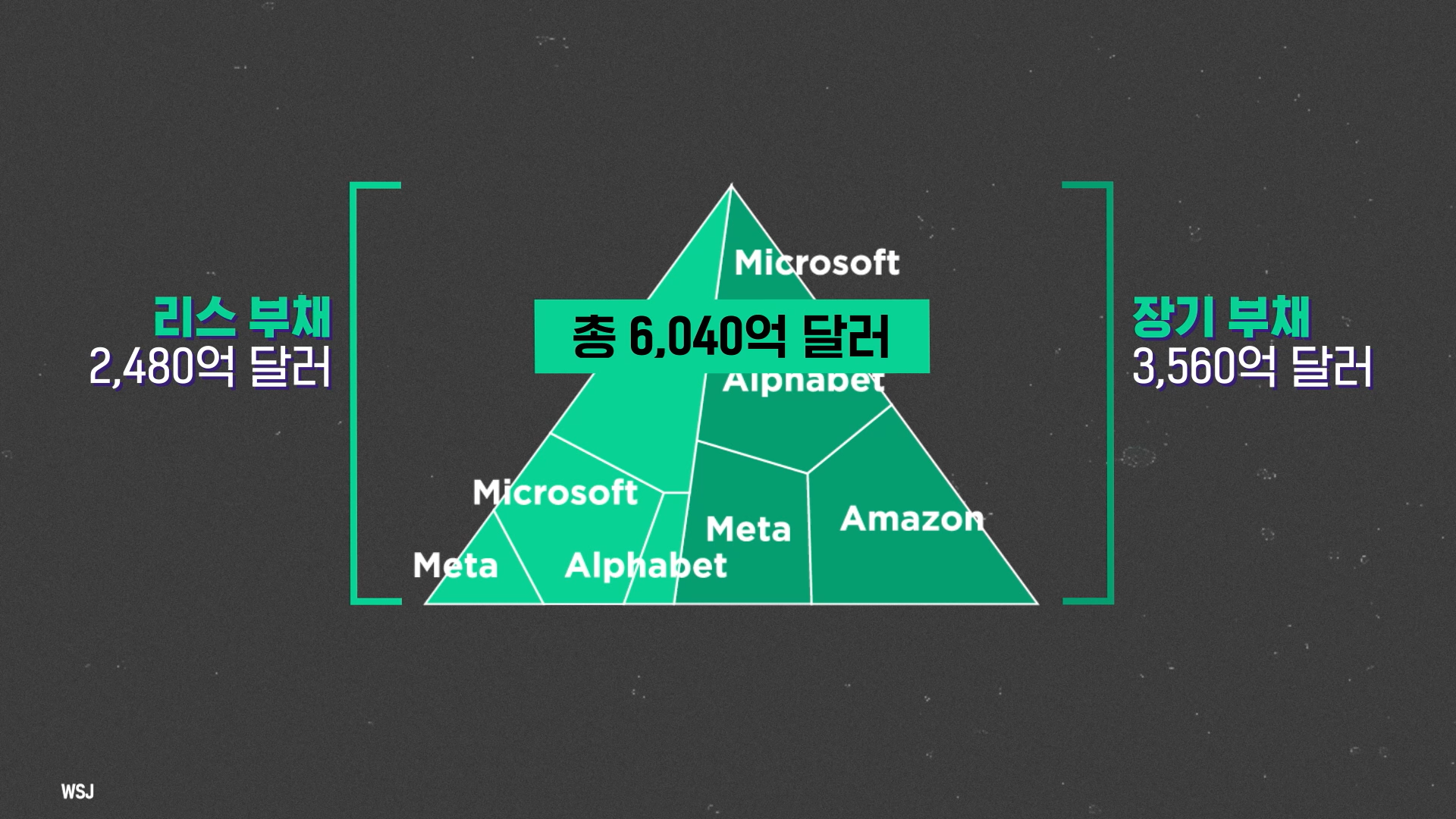
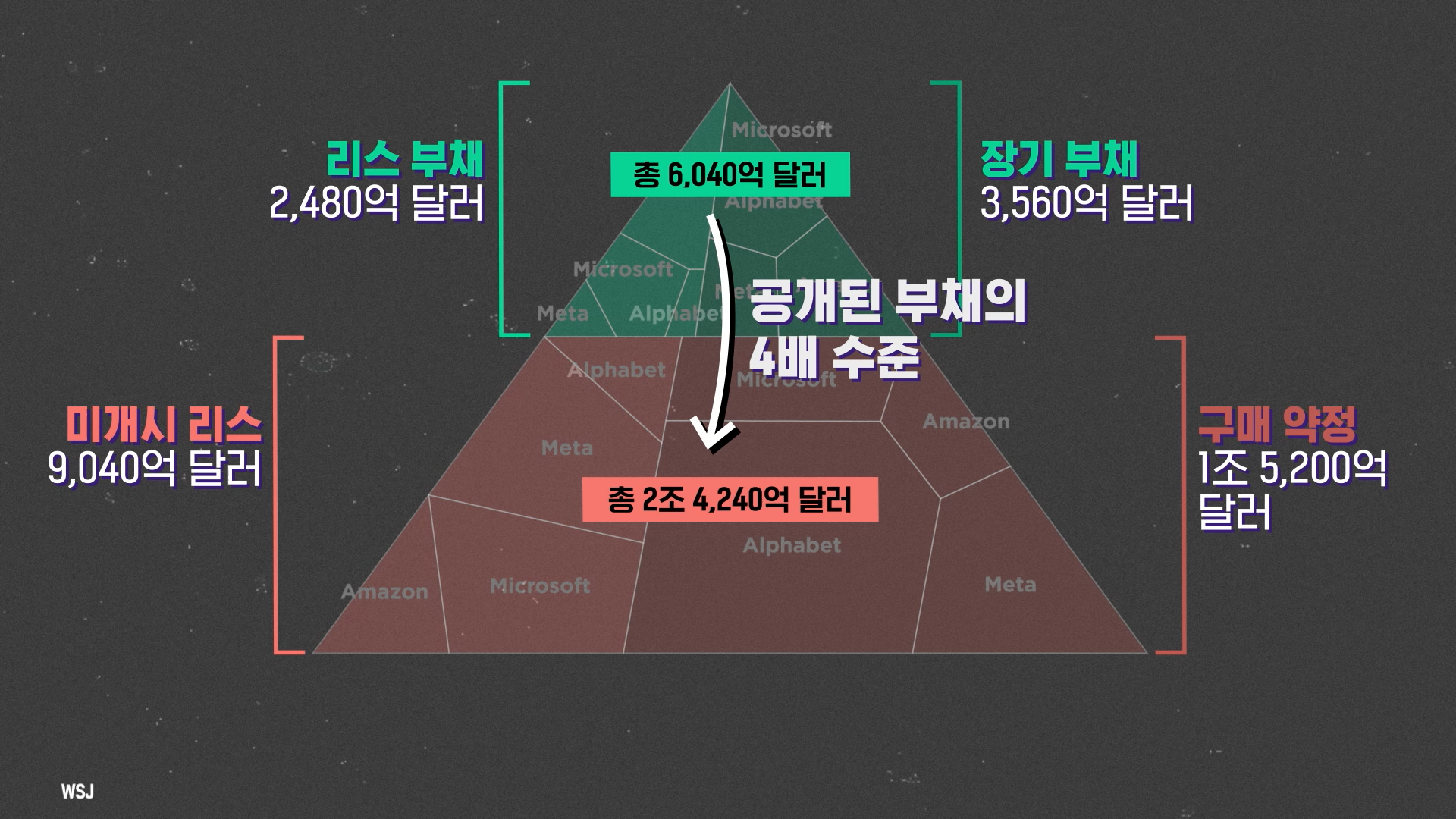
Free cash flow at Alphabet and Amazon has already turned negative. How about Neoclouds? They are generating rapid profits with relatively low capital. While hyperscalers bear heavy financial burdens from colossal investments, Neoclouds are structured to efficiently monetize the gap. Consequently, some experts project that Neoclouds could become market disruptors shaking up the cloud landscape in a few years.
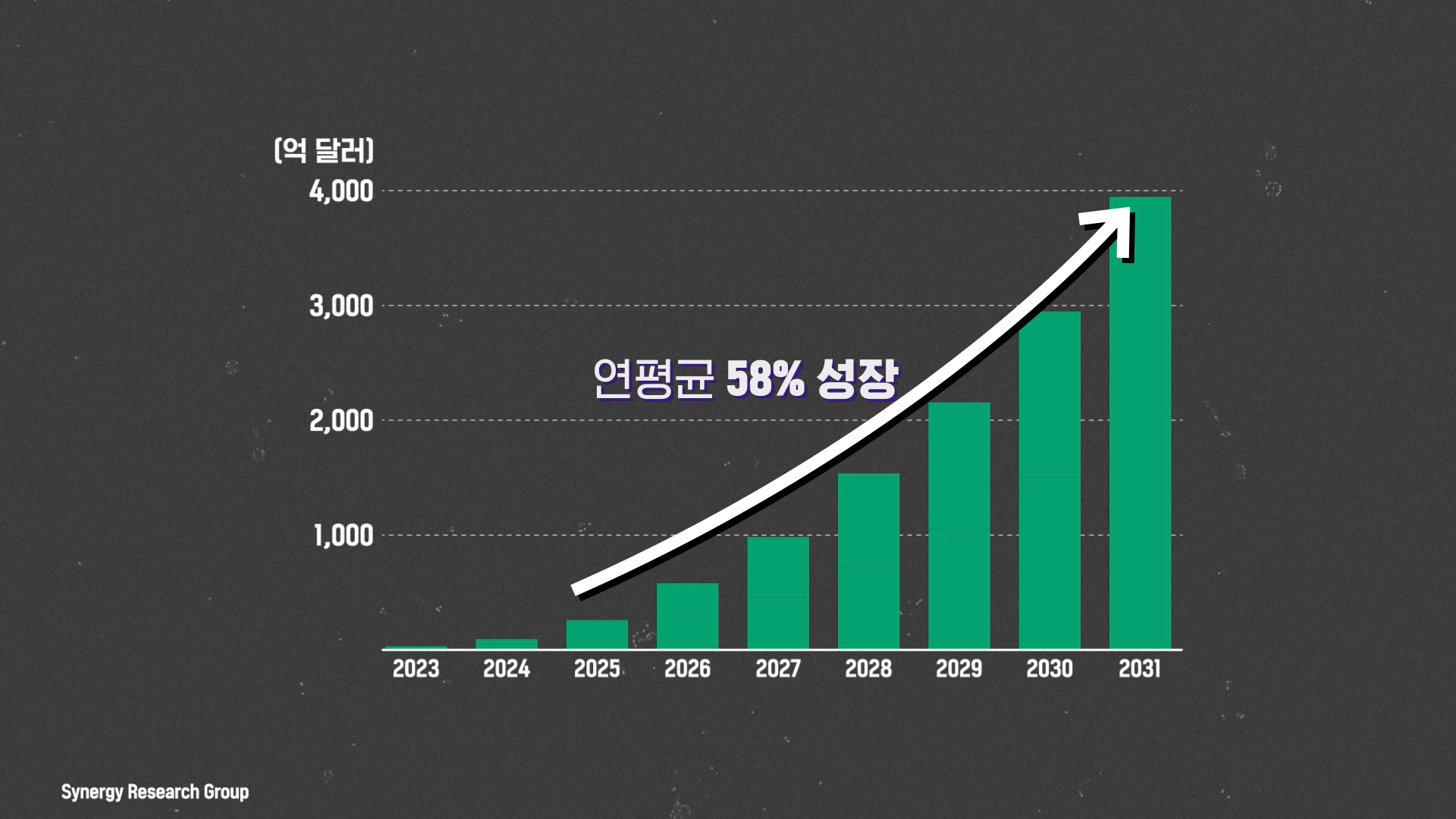
However, alongside these optimistic projections, skepticism exists. This is because the business model of Neocloud companies has some unusual characteristics.
CoreWeave, the leader among Neoclouds, originally started as an Ethereum mining firm. Riding the cryptocurrency boom, CoreWeave amassed GPUs to mine crypto. But as the crypto market collapsed over time, CoreWeave faced the question of how to utilize the GPUs in its possession. Just in time, ChatGPT launched, surging GPU demand, prompting CoreWeave to rent out its GPUs and build a business model around it.
From the early days of its GPU leasing business, CoreWeave secured Big Tech firms like Microsoft as clients. Here, CoreWeave leveraged its GPUs as collateral to borrow money. From the banks' perspective, lending made sense because they had contracts ensuring highly creditworthy companies like Microsoft would use CoreWeave's GPUs in the future, alongside the liquidatable physical collateral of the GPUs themselves.

In this way, CoreWeave has secured GPU-backed loans four times to date. In the summer of 2023, it took out its first GPU loan backed by Microsoft contracts. In 2024, it secured another loan through the same method. Last year, it obtained a GPU loan upon signing a long-term deal with OpenAI, and this year, a loan was secured backed by its contract with Meta.
Upon closer examination, however, this setup appears somewhat unusual. Neocloud companies take out massive loans using their GPU holdings as collateral. They use that cash to purchase Nvidia's latest cutting-edge GPUs. Then, Wall Street may extend further financing collateralized by those very GPUs. As this cycle repeats, the financial numbers for both Nvidia and Neocloud companies continue to rise. It is a classic circular financing structure circulating among key industry players.
On top of that, Nvidia invested $2 billion each into CoreWeave and Nebius to acquire equity stakes. Nvidia is simultaneously acting as a supplier, an investor, a customer, and a financial guarantor.
While Nvidia's GPUs are currently experiencing severe shortages, tech companies are fiercely working to build their own AI accelerators. Should the value of Nvidia GPUs suddenly plummet at some point, this structure could prove extremely precarious.
Fierce AI Cloud War Ahead... Is Meta Entering the Fray?
Despite concerns over their business model, Neocloud companies continue to post strong financial results. Furthermore, market expectations for the cloud sector keep rising because demand for GPUs and AI computing remains boundless.
Amid this environment, reports suggest that Meta may enter the cloud business. Until earlier this year, Meta was a major client in the cloud market, signing a five-year, $27 billion contract with Nebius and entering into large-scale long-term agreements with CoreWeave, as noted earlier. However, reports surfaced in July that Meta is preparing its own cloud business under the name "Meta Compute."
From Meta's standpoint, this move is not entirely surprising. While the company invested heavily in infrastructure to win the AI model race, its report card has not been stellar. It poured money into infrastructure without recouping those investments effectively. But what if outside parties approach Meta offering to buy its GPUs and computing capacity at higher rates? It makes strategic sense to continue AI development while leasing surplus GPUs to external clients to generate revenue. And indeed, such demand exists.

Meta is not alone. Another company is already capitalizing on this business model: Elon Musk's SpaceX. Following the integration of xAI into SpaceX, SpaceX has been leasing surplus infrastructure from xAI's Colossus data center to outside customers.
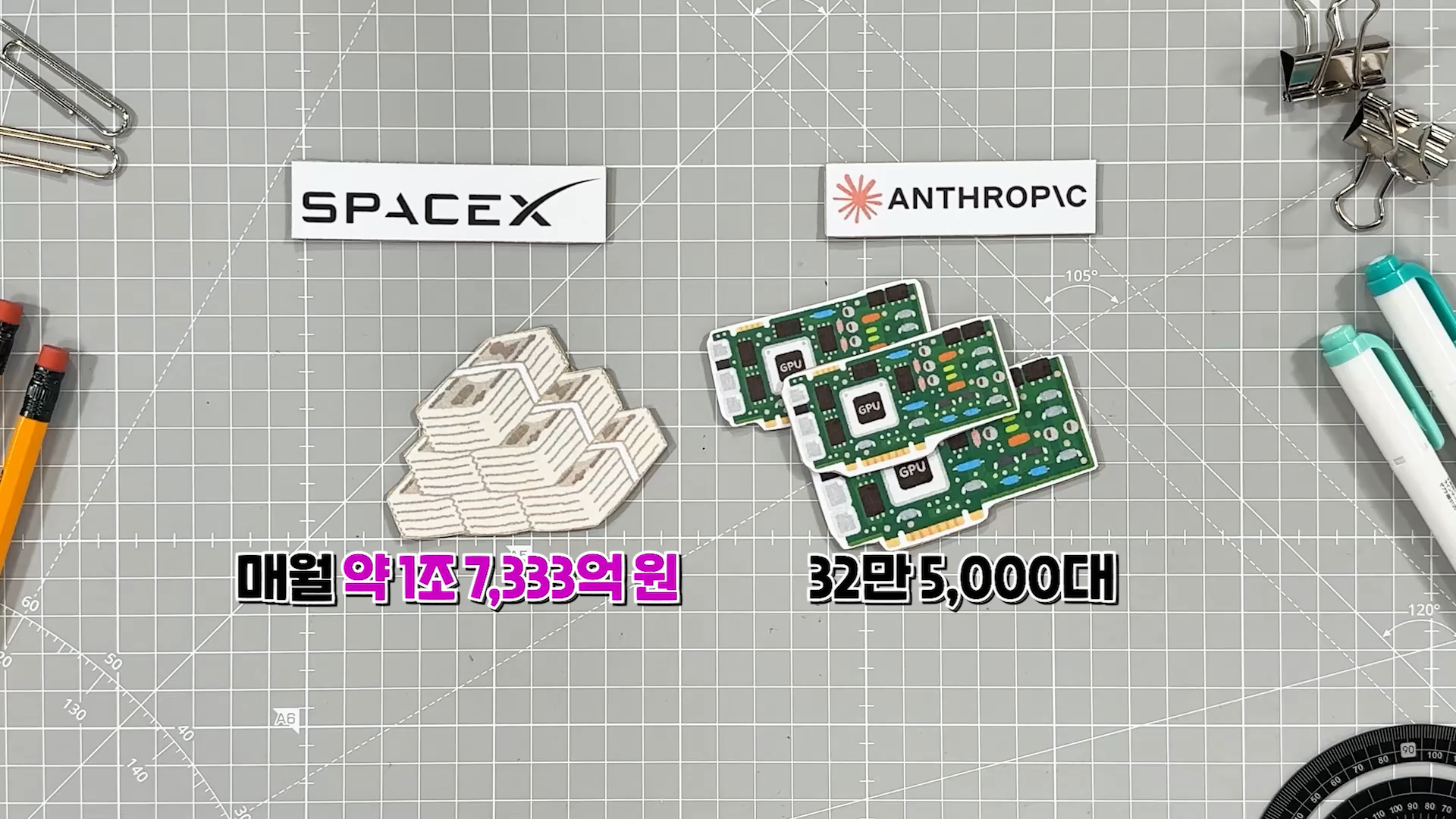
With GPU demand remaining robust, companies that own GPUs and computational infrastructure are currently generating significant revenue. Neoclouds and select hyperscalers are reaping these benefits. Will this trend persist in the future? That requires closer observation.
Looking at the AI infrastructure traded today, whether by Neoclouds or SpaceX, the vast majority consists of Nvidia GPUs. This is because AI infrastructure demand until now has centered on training smarter models, requiring top-tier performance chips. The challenge is that AI infrastructure demand is now transitioning from training to inference.
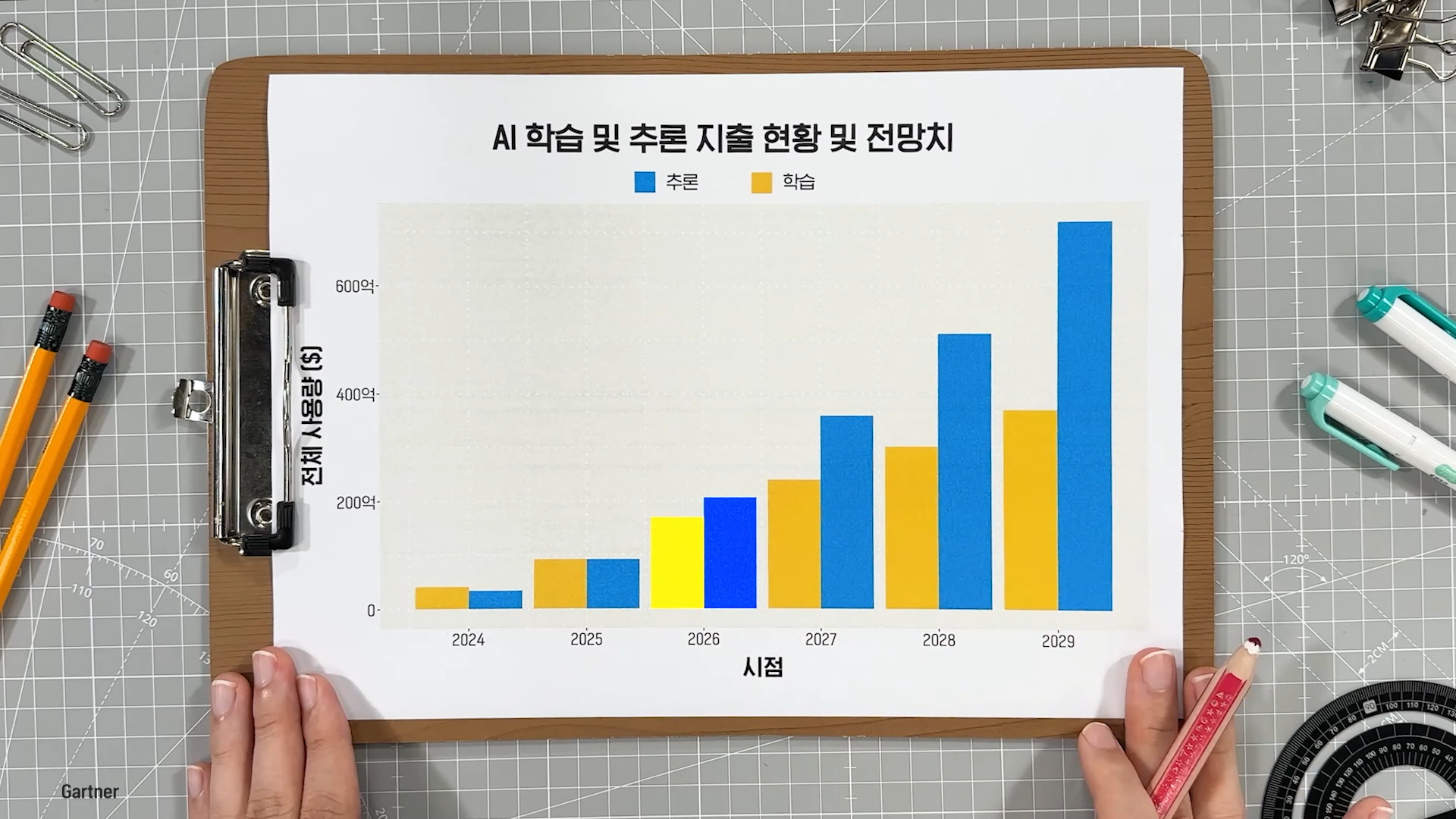
What happens if the inference market expands further along this trajectory? In that case, top-performing Nvidia GPUs will no longer be strictly essential. That could deliver a blow to Neoclouds, whose businesses rely heavily on Nvidia GPUs. Conversely, it could create an environment where alternative AI accelerators offering lower performance but superior cost and power efficiency gain traction. Prime examples include the Big 3 cloud providers developing proprietary silicon. Companies that already dominate the cloud market could expand their presence even further in the future AI cloud landscape.
While debates continue over whether AI is a bubble, causing fluctuations across equity markets, the reality remains that those who control GPUs and computing infrastructure are generating profits today. Neoclouds are fully enjoying that windfall. However, as AI infrastructure demand pivots from training to inference and Big Tech nurtures proprietary chips, it remains uncertain how long this dynamic will last. Will Neoclouds remain market-disrupting players? Or will hyperscalers ultimately reclaim full dominance? That concludes today's OhGraph. Thank you very much for reading this in-depth piece.
References
- CoreWeave (@CoreWeave) | X
- Amazon Web Services (@amazonwebservices) | YouTube
- Google (@Google) | YouTube
- Nebius | YouTube
- Why the Markets Are Pricing AI Wrong | Gavin Baker | Invest Like the Best
- "Advancing AI 2026 Keynote" | AMD
- META Meta Platforms Q2 2026 Earnings Conference Call CoreWeave, "Q2’25 Earnings Presentation", 2025
- The AI Chart Weekly: Financing the AI Supercycle | MUFG
- Gartner Predicts Neocloud Providers Will Capture 20% of the $267 Billion AI Cloud Market by 2030 | Gartner
- Q2 Cloud Market Passes $143 Billion; Highest Growth Rate in Eight Years | Synergy Research Group
- Why Big Tech’s AI Spending Is $3 Trillion Higher Than It Seems | The Wall Street Journal
- Meta Is Building a Cloud Business to Sell Excess AI Compute | Bloomberg
- AI Is No Longer About Training Bigger Models—It’s About Inference at Scale | SambaNova Systems
Written by: An Hye-min Design: Ahn Jun-seok Intern: Shin Yeon-seong
※ Please note: This article was translated by AI and may contain errors.
Copyright Ⓒ SBS. All rights reserved. Unauthorized reproduction, redistribution, and use for AI training are prohibited.