SBS News
Young People Hooked on Weight-Loss Drugs: Mounjaro Prescriptions Exceed 1.5 Million
Published : Jul 29, 2026 9:13 AM
More than half of prescriptions concentrated among those in their 20s and 30s; prescriptions for teens surge 1.5-fold

More than half of the total prescriptions were concentrated among people in their 20s and 30s, while prescriptions for teenagers also surged, raising growing concerns over potential abuse and misuse.
According to the Drug Utilization Review (DUR) data obtained from the Health Insurance Review and Assessment Service by the office of Representative Han Ji-ah of the National Assembly's Health and Welfare Committee on the 29th, Mounjaro was prescribed 1,501,161 times from August of last year when it was launched in the country through May of this year.
This figure represents records that have been checked through the DUR at medical institutions to prevent duplicate prescriptions of pharmaceuticals.
Because Mounjaro and Wegovy are non-reimbursed pharmaceuticals, making it impossible to aggregate exact prescription volumes, tracking prescription trends and patterns relies entirely on checking DUR records.
Monthly prescriptions skyrocketed nearly 15-fold, going from 18,579 cases in the first month of its release to 273,140 cases last May.
Broken down by age group, more than half, or 52.9% (794,781 cases), of the cumulative 1,501,161 prescriptions over the 10 months following the launch went to people in their 20s and 30s.
Those in their 30s accounted for the largest share at 36.0%, followed by those in their 40s (27.1%), 20s (16.9%), and 50s (14.6%).
Although the absolute number of prescriptions for teenagers was not large, it has increased steeply from about 80 cases per month in the early stages of the release to approximately 2,500 cases last May.
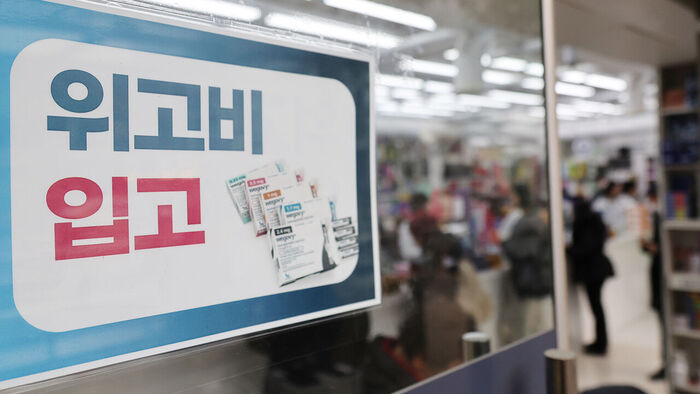
This figure even surpasses the cumulative prescription count of the previously released obesity treatment Wegovy.
Wegovy recorded a cumulative 1,228,867 prescriptions from its launch in October 2024 through May of this year, and Wegovy similarly showed that 46.4%—or about 1 out of every 2 cumulative prescriptions—went to those in their 20s and 30s.
Inside and outside the medical community, critics point out that treatments meant for patients with diabetes or severe obesity are being perceived as simple diet pills, leading to indiscriminate and unnecessary prescriptions.
Accordingly, health authorities are reviewing plans to designate this class of obesity treatments (glucagon-like peptide-1, or GLP-1) as "pharmaceuticals vulnerable to abuse and misuse."
Representative Han's office emphasized, "To prevent reckless abuse and misuse for cosmetic purposes or among adolescents, urgent and powerful institutional improvements centered on prescription management are needed, such as real-time monitoring of pharmaceutical prescription histories."
(Photo: Yonhap News)
※ Please note: This article was translated by AI and may contain errors.
Copyright Ⓒ SBS. All rights reserved. Unauthorized reproduction, redistribution, and use for AI training are prohibited.