SBS News
Jang Yoon-gi Case Puts Spotlight on Prosecution's Supplementary Investigation Powers; Police in Disarray
Published : Jul 7, 2026 12:45 PM

As various allegations emerge, including evidence tampering, collusion, and the police protecting their own, voices are growing that question whether it is appropriate to abolish the supplementary investigation power, which serves as a key means of judicial control over the police.
According to the legal community on July 7, the Gwangju District Prosecutors' Office confirmed during its supplementary investigation that a real doll and a mobile phone, which had been in Jang Yoon-gi's studio apartment, had disappeared.
After confirming that Jang's father, a police inspector surnamed Jang, had taken the real doll, the prosecution launched an investigation, including search and seizure operations at the inspector's residence, vehicle, and mobile phone.
The results revealed circumstances indicating that Inspector Jang had destroyed evidence by removing the real doll and mobile phone from the apartment and disposing of them.
Based on the real doll, which showed abnormal damage to the neck area, the prosecution charged Jang Yoon-gi with rape-murder, which carries a heavier penalty than general murder.
It was found that the police had failed to secure this key evidence, which would have proven the rape-murder charges, and that Inspector Jang had destroyed it.
Although the police claimed to have received a forensic report after extracting DNA from the real doll, it was confirmed that the report was omitted when the case was transferred to the prosecution.
Allegations of collusion also surfaced, including claims that the investigation team connected the detained Jang Yoon-gi with his father for phone calls and provided the father with the address and door passcode to Jang's home.
The investigation team leader was also found to have informed Inspector Jang of plans to request arrest and search warrants, as well as the fact that a committee on the disclosure of Jang Yoon-gi's personal information was scheduled to be held.
During the investigation of Jang Yoon-gi's vehicle, the police discovered cable ties used for binding but failed to secure them as evidence.
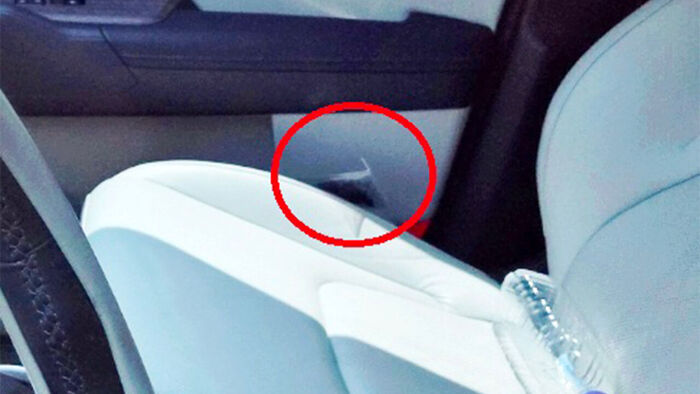
It is reported that in the early stages of the investigation into Jang Yoon-gi, instructions were issued to keep the fact that his father was a police officer confidential.
Within the prosecution, this situation is viewed as a representative case demonstrating the necessity of supplementary investigation powers.
They argue that if the prosecution had only reviewed the records compiled by the police without conducting a supplementary investigation, there would have been no way to uncover the collusion between Inspector Jang and the investigation team.
Currently, amendments to the Criminal Procedure Act proposed by the Democratic Party of Korea and the Rebuilding Korea Party aim to completely abolish the prosecution's investigative powers, including the power to conduct supplementary investigations.
One prosecutor stated, "I would like to be presented with a better method if one exists to uncover the truth of the Jang Yoon-gi case without the prosecution's supplementary investigation," adding, "No matter how perfectly an investigation is conducted, human error is inevitable, and supplementary investigation serves as a cross-verification process."
Public concerns have also been voiced.
Kim Ho-joong, a prosecutor at the Seoul Northern District Prosecutors' Office's Women and Children Crimes Investigation Department (48th Judicial Research and Training Institute), posted on the internal prosecution network e-Pros on July 7, stating, "I am deeply concerned about whether sex crime cases can be handled properly without supplementary investigation powers," and introduced cases where such investigations were necessary.
Prosecutor Kim asked, "If the police conduct a dishonest investigation, is there any way for a prosecutor without supplementary investigation powers to detect it?" and added, "I am certain that if the prosecutor's supplementary investigation power is abolished, it will lead to an increase in victims and suspects who are treated unfairly."
Within the prosecution, there is also criticism that the ruling party is remaining silent on the Jang Yoon-gi case because it is an inconvenient incident for their argument to abolish supplementary investigation powers.
The atmosphere within the police is also quite troubled.
As allegations of poor investigation and collusion by the police have emerged all at once amid discussions on abolishing supplementary investigation powers, National Office of Investigation Chief Hong Seok-gi expressed his determination to investigate, stating the day before that he would "stake the reputation of the police" on it.
Upon discovering the evidence tampering charges against the investigation team leader, the police immediately converted the internal inspection into a formal investigation and formed a 27-member special investigation team led by the police agency's investigation and human rights officer the day before.
However, on the anonymous community app for employees, Blind, posts from frontline police officers have appeared, such as, "Seeing this, I am now convinced. Supplementary investigation powers must exist. Public opinion likely feels the same," and "The right to request supplementary investigation should be abolished, but the power to conduct supplementary investigation should be recognized."
(Photo: Yonhap News)
※ Please note: This article was translated by AI and may contain errors.
Copyright Ⓒ SBS. All rights reserved. Unauthorized reproduction, redistribution, and use for AI training are prohibited.