SBS News
Praising 'Evil Spirit' Kato Kiyomasa on 'Romantic' Tour: Japanese Tourists Head to Ulsan
Published : Jun 24, 2026 4:27 PM
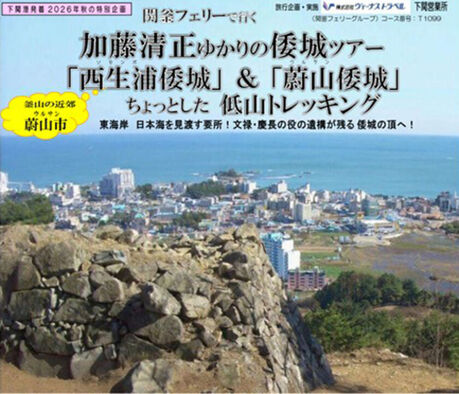
▲ Promotional material for the Ulsan Japanese castle exploration package released by a Japanese travel agency
"Kiyomasa the Evil Spirit."
This was the nickname given to Kato Kiyomasa, a Japanese general who brutally massacred and plundered the people of Joseon during the Imjin War (the Japanese invasions of Korea from 1592 to 1598).
A tour package in Japan that explores Ulsan Waeseong Fortress (a Japanese-style castle), built by the Japanese vanguard commander Kato Kiyomasa—who was also called "Kiyomasa the Demon"—is drawing attention.
Concerns are being raised that the tour could be used to beautify the history of aggression, as the promotional material for the castle exploration package includes expressions such as "historical romance" and "strategic stronghold."
Critics point out that local governments and relevant authorities must prepare measures to prevent potential historical distortion and properly educate visitors about the history of the invasion of Joseon.
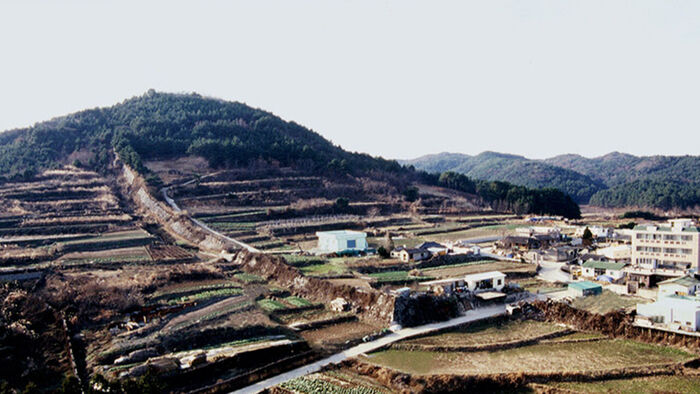
On Wednesday, June 24, according to media reports, Japanese travel agency Venus Travel is selling a tour package to explore Seosaengpo Waeseong Fortress and Ulsan Waeseong Fortress in the Ulsan region, utilizing the Kampu Ferry, an international passenger ship connecting Shimonoseki, Japan, and Busan.
The tour, titled "Waeseong Tour Associated with Kato Kiyomasa," is scheduled to take place on October 23.
The itinerary centers on exploring Seosaengpo Waeseong Fortress and Ulsan Waeseong Fortress, both built by Kato.
Participants will trek to the top of Seosaengpo Waeseong Fortress, tour Ulsan Waeseong Fortress and Chunguisa Shrine, and then visit a handmade makgeolli (traditional rice wine) brewery and Taehwaru Pavilion.
Ulsan Waeseong Fortress, a major exploration site, is famous as the place where the Japanese army led by Kato, driven down toward the southern coast, built a fortress in 1597 (the 30th year of King Seonjo's reign) during the Jeongyu Jaeran (the second Japanese invasion of Korea) and fought a decisive battle against the allied forces of Joseon and Ming Dynasty China.
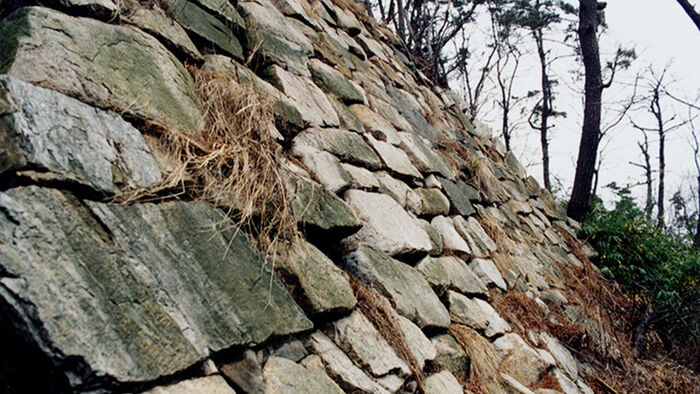
Seosaengpo Waeseong Fortress, built by Kato to establish a defensive line, is evaluated as being relatively well-preserved among the Japanese castles remaining in South Korea.
Some express concern that the Japanese travel agency's heavy focus on promoting the fortresses could glorify Japan's history of aggression.
This is because the travel agency used expressions that seem to romanticize the Imjin War and the battlefields in its product description, such as "a historical romance transcending 400 years of time" and "the scenery viewed by warlords 400 years ago."
In the introduction, the travel agency praised the sites, stating, "During the 'Bunroku-Keicho War' (the Japanese term for the Imjin War and Jeongyu Jaeran) initiated by Toyotomi Hideyoshi, the military strongholds built by Sengoku-period warlords in a foreign land still retain their majestic appearance near Busan."
"Unlike typical tour products, I found it unusual that this one focuses specifically on exploring Japanese castles," said an office worker surnamed Oh, 36. "Seeing expressions like 'historical romance' in the product description made me worry that the history of invasion could be glorified."
Experts pointed out the need for an information system that accurately explains to Japanese visitors the background of the outbreak of the Imjin War, the Japanese military's acts of aggression, and Kato's actions.
Yuji Hosaka, a specially appointed professor at Korea University's Graduate School of Public Administration, said, "Kato Kiyomasa was the warlord who committed the most brutal acts on the Korean Peninsula. There must be signs and explanations on-site to inform visitors that it was a Japanese invasion at the time and to highlight Kato Kiyomasa's cruel deeds."
Kato is known to have been a key figure behind the atrocities of cutting off the ears and noses of Joseon people during the Imjin War and sending them to Japan as trophies.
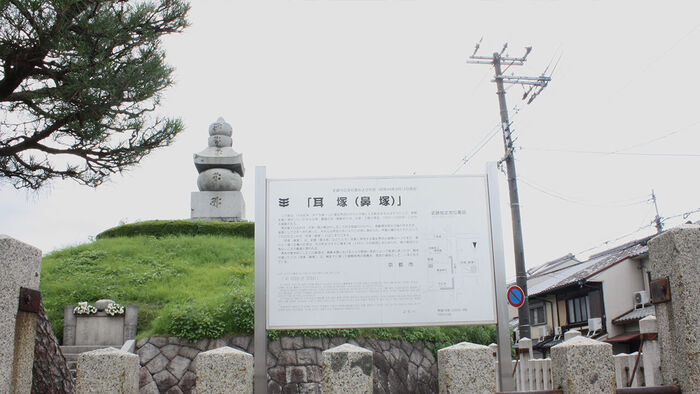
"Accepting a tour aimed at praising Kato Kiyomasa is an act of forgetting history," Professor Hosaka emphasized. "If a tour praising Hitler were conducted, it would be a crime in Germany."
"We need to be wary of tour products that barely mention how many atrocities Kato Kiyomasa committed in Joseon, and instead elevate the invader as if he were a hero," pointed out Han Myung-gi, a history professor at Myongji University.
"The important thing is to accurately convey historical facts and context," Professor Han suggested. "We should take this opportunity to update the information boards and commentaries at the castles to properly convey the reality of the Imjin War."
In response, an official from Ulju County in Ulsan, which manages Seosaengpo Waeseong Fortress, stated, "We are currently providing information on the historical background of the castle. We will review whether the explanations regarding the history of invasion are sufficient and look into ways to supplement them."
(Photo: Venus Travel website capture, Yonhap News)
※ Please note: This article was translated by AI and may contain errors.
Copyright Ⓒ SBS. All rights reserved. Unauthorized reproduction, redistribution, and use for AI training are prohibited.