 동영상
동영상
No Memorial Altar, No Obituary! The Quiet Rise of 'No-Altar' Funerals
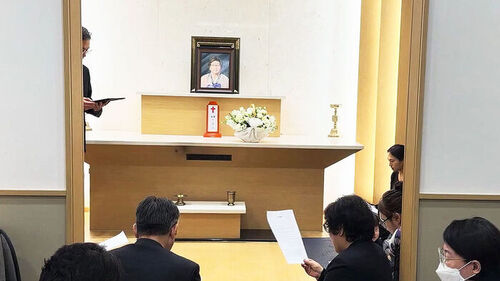
A memorial hall crowded with chrysanthemums, wreaths, and mourners, with hosting guests continuing through the night. South Korea's funeral culture, long taken for granted, is changing. Recently, "no-altar funerals"—where families bid farewell to the deceased with only family members, without sending out obituaries or setting up a memorial altar—have been rapidly increasing. According to funeral directors, no-altar funerals, which accounted for only about 1% of all funerals five years ago, reached nearly 20% last year. Why are people moving away from the familiar three-day funeral to choose a new way of saying goodbye?
Breaking Tradition: What Fills the Empty Space?
In March this year, Cho Ho-jin, who lost his mother, chose a no-altar funeral in accordance with her wishes not to "bother people." The funeral cost was a mere 275,000 won. He says that rather than the cost savings, the greatest comfort was not burdening acquaintances and being able to share their grief solely among family members. Ko Young-ran, who had previously held a traditional three-day funeral, recalled being overwhelmed by the financial burden and the demands of hosting mourners. When her mother passed away, she skipped setting up a memorial altar and instead held a three-hour memorial service. About 40 family members and friends gathered to remember and celebrate her mother's life. What caught the reporters' attention most, however, was a "living funeral" held while the person is still alive. Kim Hong-seop prepared a special living funeral for his mother, who celebrated her 100th birthday earlier this month. He said he organized the event because he wanted to gift her with love while she was still alive, rather than grieving after she was gone. We take a look at that special day, which was filled with laughter and gratitude instead of tears.
Is the Three-Day Funeral Disappearing? The Start of the 'Second Funeral Revolution'
Regarding these shifts in funeral culture, Lee Jung-sun, a professor in the Department of Mortuary Science at Eulji University, analyzed, "Due to smaller family structures, weakening social ties, and financial burdens, there is a growing trend to pursue substance over formal rituals." Won Hye-young, representative of the Well-Dying Culture Movement, also assessed that following the "first funeral revolution," which shifted the focus from burial to cremation, a "second funeral revolution" centered on remembrance rather than setting up a memorial altar is now beginning. For whom should a funeral be held? Is it to save face for those left behind, or is it the final moments to remember the departed?
This week, SBS <News Story> explores the changing landscape of South Korean funerals to reflect on the meaning of a "good farewell" and the essence of funerals. From funerals without altars to living funerals and new ways of remembrance, we bring you stories of death and parting that we must all ponder.
※ Please note: This article was translated by AI and may contain errors.
 동영상
동영상