
 KOR
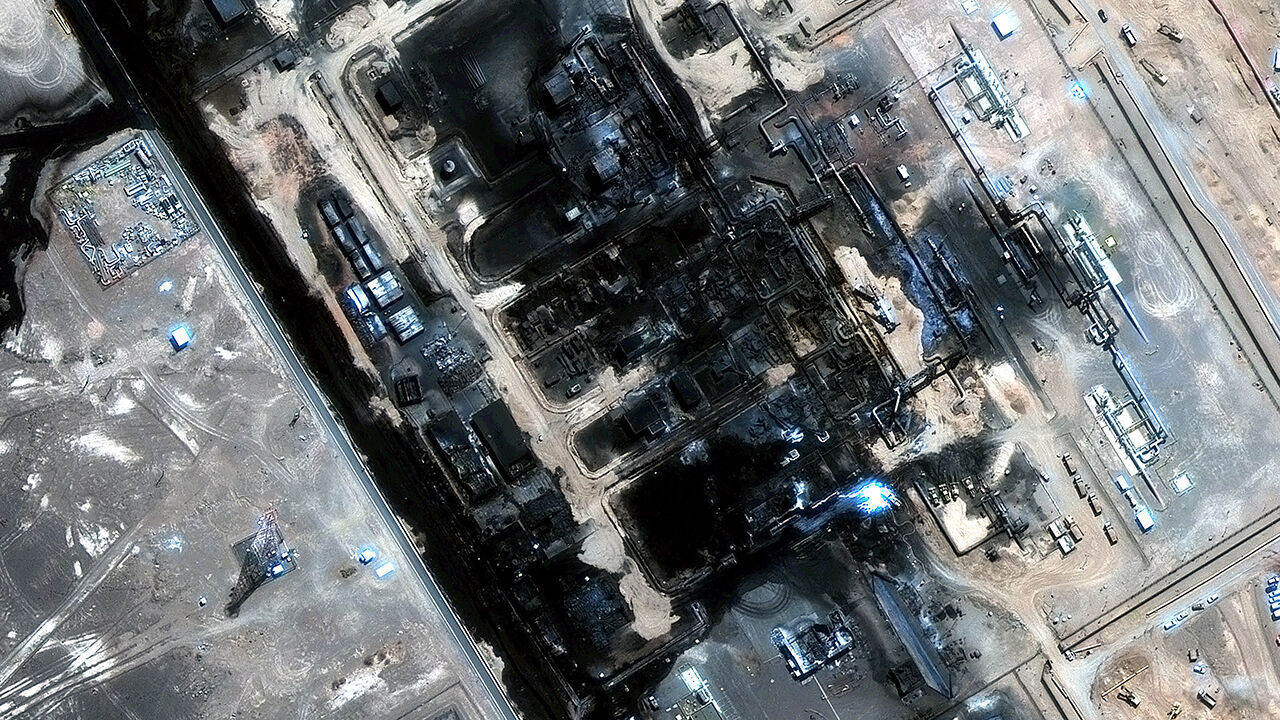
The Problem Lies with Saudi Arabia's East-West Pipeline: Has the 'Lifeline' Been Severed?
Traffic along the Bab el-Mandeb route had already plummeted after Yemen's Houthis declared a maritime blockade against vessels linked to Saudi Arabia and launched frequent attacks on passing ships. The alternative route is the Suez Canal linking the Red Sea and the Mediterranean, but the canal's structural constraints make it difficult for fully loaded ultra-large crude carriers to pass through. Because of this, Saudi tankers had even been resorting to a convoluted transit route: first transporting crude to Egypt's Ain Sokhna terminal in the Gulf of Suez, sending it via the Egyptian-operated SUMED pipeline to the Mediterranean port of Sidi Kerir, and having the tankers—which passed through the canal partially empty—reload the oil at Sidi Kerir before sailing into the Mediterranean. It was a desperate measure to lighten the tankers' load by diverting part of the crude through the pipeline to allow transit through the canal.
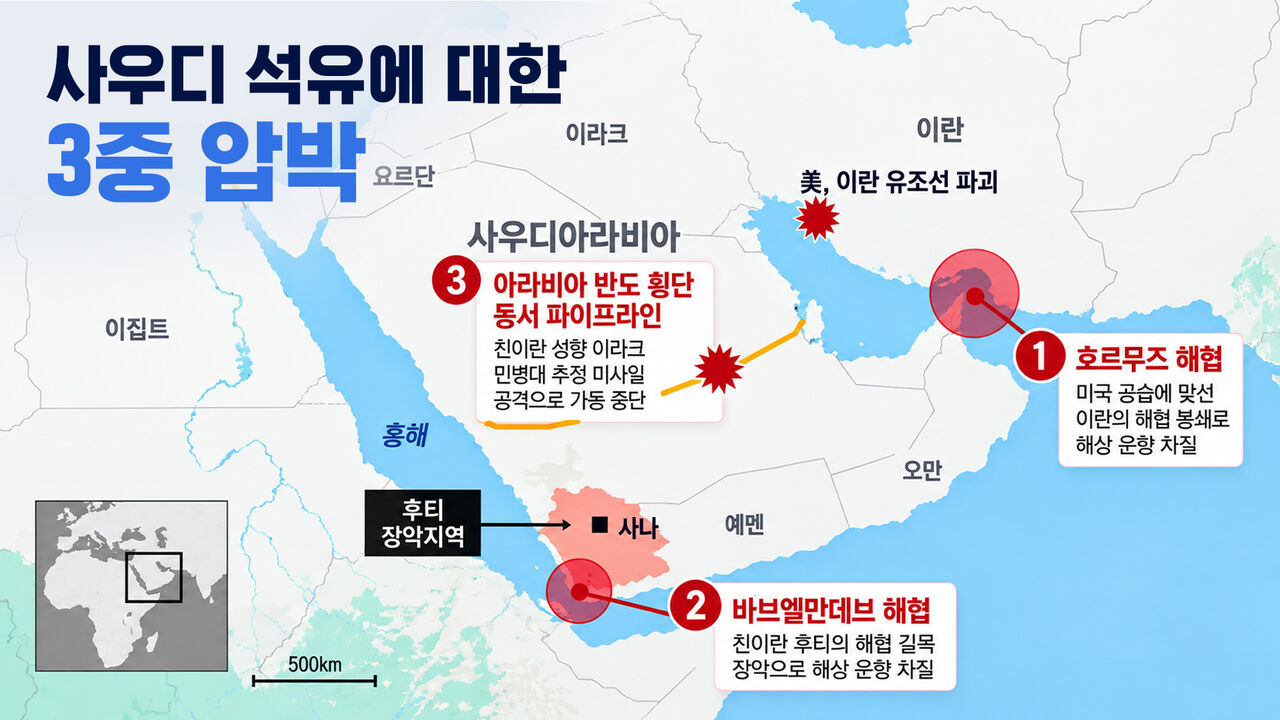
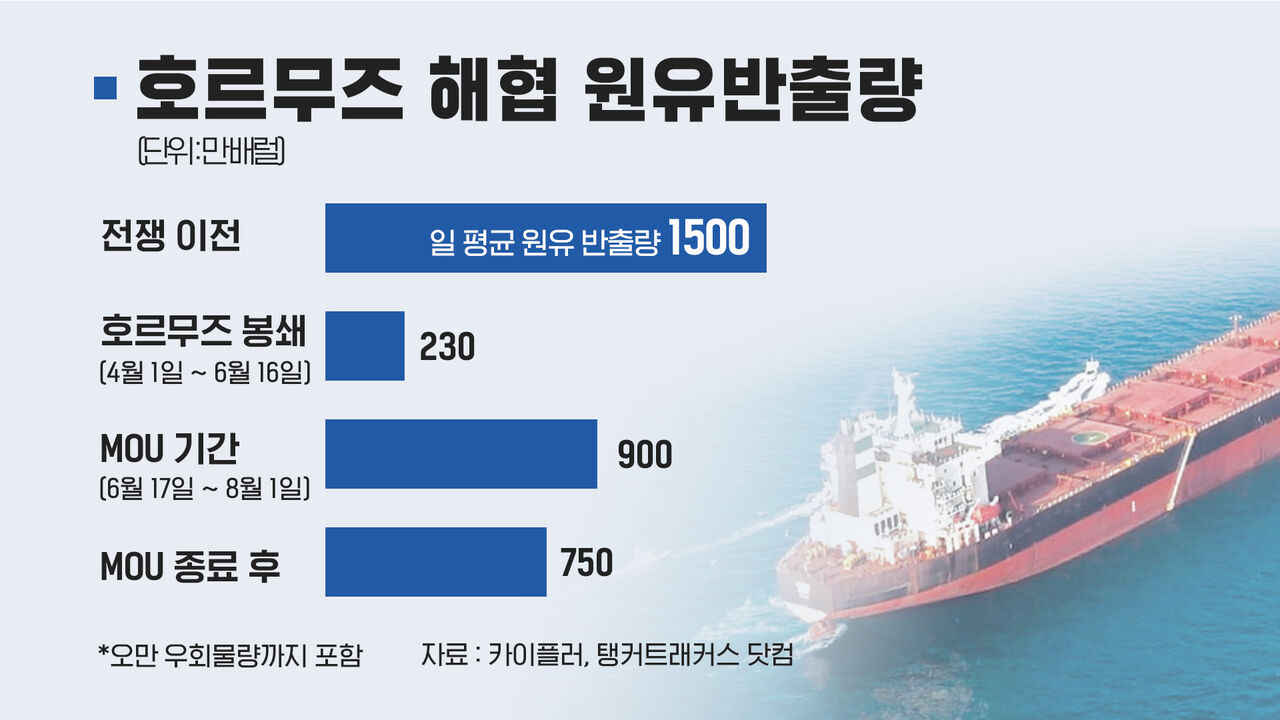
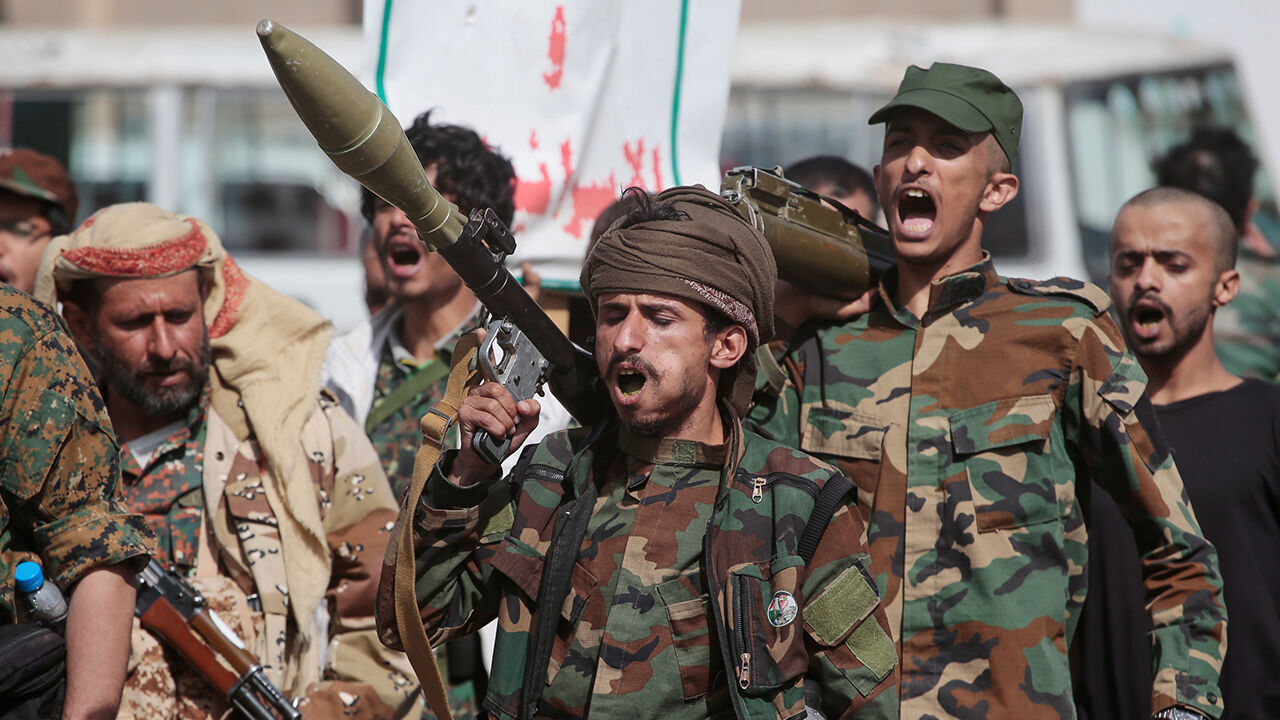
This highlights Iran's strategic gamble. While Iran has impeded crude shipments through the Strait of Hormuz, it has not gained full control of the waterway due to a counter-blockade by the United States. Around 10 tankers per day have continued to pass through Hormuz recently thanks to U.S. military air cover and escorts, whereas tankers and cargo ships attempting to travel to and from Iran reportedly cannot pass at all due to the U.S. blockade. These tankers barely getting through Hormuz under U.S. escort have also been a factor keeping international oil prices somewhat in check. Thus, Iran appears to be employing a strategy of actively backing the Houthis to paralyze the Bab el-Mandeb Strait, thereby rattling oil prices and inflation—the key vulnerabilities for Trump ahead of the upcoming midterm elections. Although the Houthis' official position is that they are "for now guaranteeing freedom of navigation," in reality, the anti-U.S., Iranian-aligned front is progressively seizing control of both Hormuz and the Red Sea.
A Weakened U.S.: Did It Reject the Request to Help Defend the Red Sea?
Rattled by the unexpectedly fierce offensive from the Houthi rebels, Saudi Arabia turned directly to the United States for help. Reuters reported that Saudi Crown Prince Mohammed bin Salman called U.S. President Donald Trump at least twice on September 10 to request military aid to fight the Houthis, but the U.S. has turned down the request. With Washington currently concentrating its military assets in the Strait of Hormuz, the U.S. appears unwilling to open a new front against the Houthis. Given that U.S. counter-blockade efforts in Hormuz are focused on maintaining some degree of passage for oil tankers, the situation in the Red Sea must also be viewed as an urgent crisis, leading to observations that U.S. capacity to control crude transit routes has weakened considerably.
In particular, the Financial Times reported that the U.S. military appears to have effectively scaled back its escort duties by limiting air cover for tankers transiting the Strait of Hormuz at night to designated time windows twice a day. This not only demonstrates that U.S. forces deployed in the Middle East have weakened, but also raises deeper concerns by signaling that oil-exporting nations such as Saudi Arabia, unable to count on American backing, are increasingly likely to take unilateral military action. Not only does this point toward an escalation of the Middle East war—just as Iran desires—but Washington's inability to commit forces to the Red Sea also weakens its leverage in negotiations with Tehran.
Will Domestic Oil Prices Be Okay? Mounting Burdens and Keen Attention on Prolonged Conflict
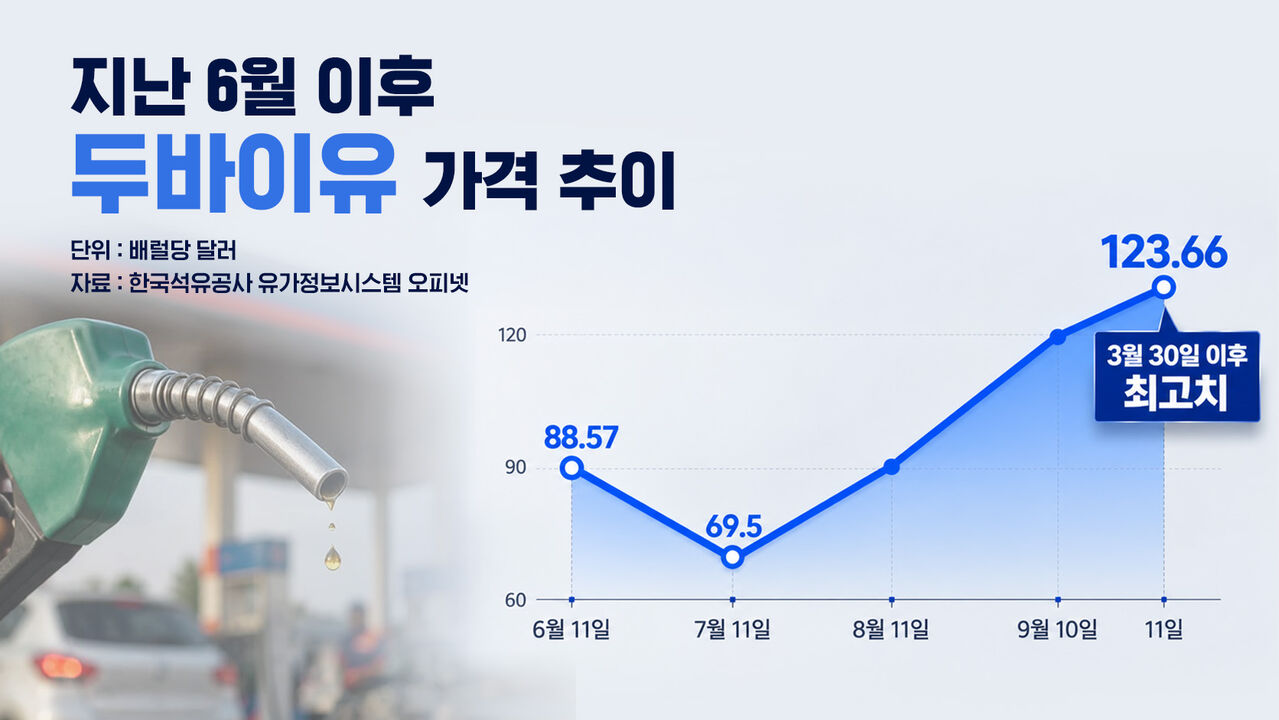
The government stated that crude import volumes for September and October have largely been secured at around 90% of the previous year's levels, meaning the short-term impact on domestic supply and demand will be minimal. While the government has maintained control thus far, fallout from a prolonged standoff appears unavoidable. In the refining industry, forecasts warn that "if the maximum petroleum price cap, which has been in place for over six months, is lifted, gas station gasoline prices, currently around 1,850 won per liter, would immediately breach the psychological resistance level of 2,000 won." Experts also express concern that many consumers have grown insensitive to petroleum consumption due to measures suppressing everyday fuel prices, which could become a burden down the road. Deepening concerns is the fact that the price cap system is structured as an emergency measure that defers the burden of rising oil prices while compensating refiners after the fact through government fiscal funds, meaning the fiscal cost will inevitably balloon as the crisis drags on.
Prices of non-Middle Eastern crude, such as Canadian and Australian oil, are also reportedly soaring as demand surges worldwide for alternatives. Freight costs for transporting crude from regions outside the Middle East are also climbing, driving up overall expenses even when supplies are secured. Before the U.S.-Iran war erupted, South Korea's economic forecasts were based on an assumed international oil price of around $64 a barrel. The critical threshold for the current crisis is expected to come after November. The key question is whether a compromise with Iran can be reached before the U.S. midterm elections in early November, as Trump claims. Such is the fate of an oil-importing nation forced once again to endure anxious days.
※ Please note: This article was translated by AI and may contain errors.



 Video News


 Video News