
 KOR
Visiting the First "Low-Carbon" K-Pop Concert in Person
[Han Moon-gyu / CEO of Sound Alliance: We cautiously attempted this because we believed it was necessary to apply sustainability to the concert industry as well. That is why our festival's sub-theme is "Start Wave." It carries the meaning of taking things forward one step at a time.]
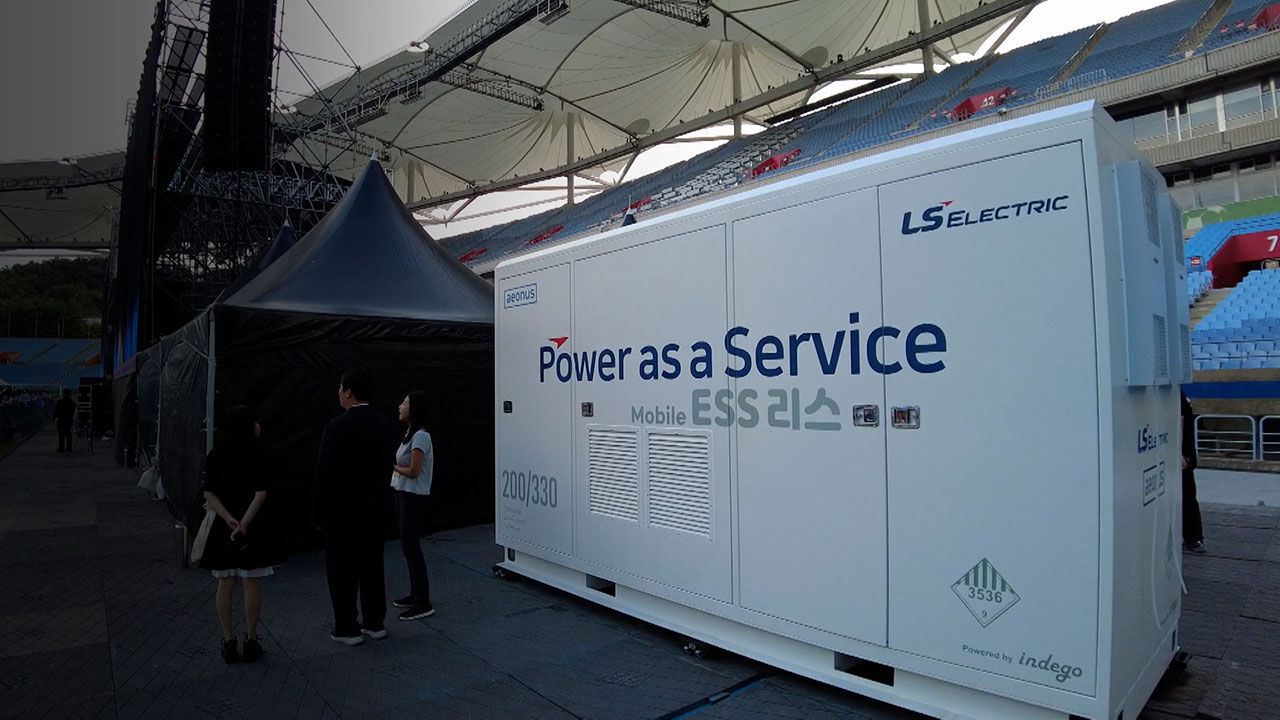
There was also an unfamiliar sight in the audience seating. A QR code appeared on the electronic billboard, directing attendees to a webpage titled "Check My Carbon Footprint." Spectators entered their departure points and modes of transportation while participating in various surveys, all aimed at calculating carbon emissions.
[Han Moon-gyu / CEO of Sound Alliance: In terms of carbon emissions, the vast majority comes from audience travel... We are measuring whether they arrived using public transportation or private cars. We are also measuring the amount of electricity consumed for the concert.]
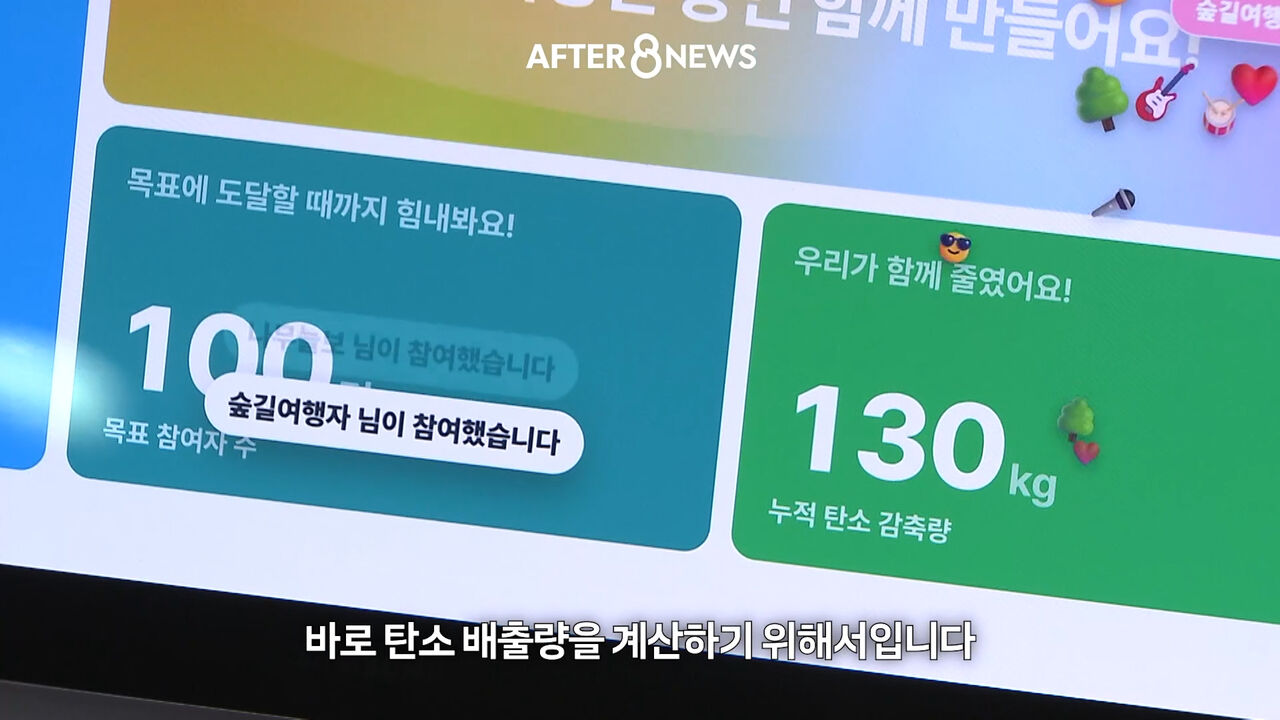
[Cho Hyo-jin / Head of Carbon Neutrality Service Company: Based on data collected through the midway point of the event, emissions were reduced by roughly 20% compared to conventional K-pop concerts or festivals.]
Of course, this does not mean the entire concert's overall emissions dropped by 20%. Total concert emissions are calculated after the event concludes by combining overall electricity consumption with audience and staff travel. Nor can this performance be officially classified as a "carbon-neutral concert."
[Han Moon-gyu / CEO of Sound Alliance: We are cautious about even phrasing it as having fully offset everything... (So you mean this is a stage of making the utmost effort toward carbon neutrality?) Yes.]
Going to Have Fun at a Concert—Why Calculate Carbon?
What Is the Situation for Overseas Concerts?
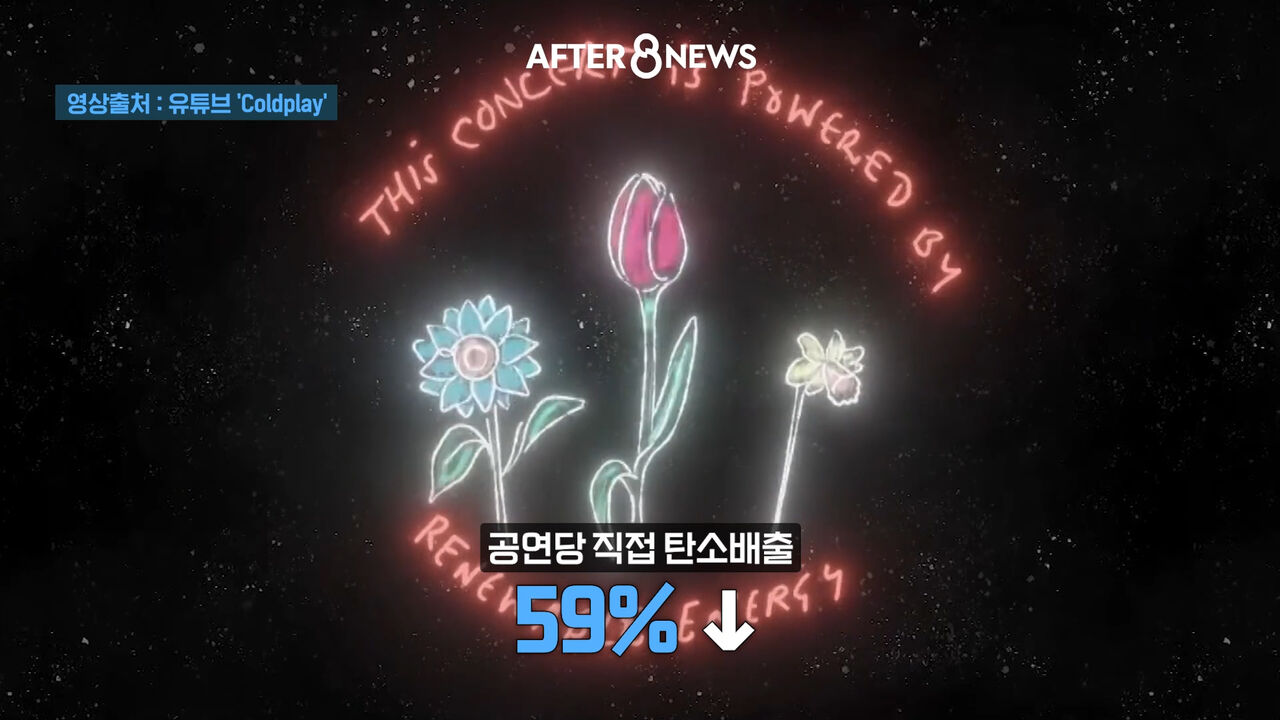
Simply using batteries does not automatically make an event low-carbon, because the source of electricity used to charge them matters. This is also why the Sustainable Wave festival decided to purchase Renewable Energy Certificates (RECs) corresponding to its power usage. The efforts of individual concerts alone have clear limitations, meaning that the decarbonization of the power grid itself must proceed hand in hand.
What About South Korean K-Pop Agencies?
[Kim Na-yeon / Campaigner at Kpop4Planet: While they are showing willingness to change, we have yet to see activities that substantially reduce carbon emissions.]
Fans' attitudes are already far ahead. In a survey of 601 K-pop fans worldwide, 92% answered that they want more low-carbon concerts. However, only 14% had actually experienced one. When asked what change they most desire, the top answer was neither renewable energy stages nor plastic bans. The highest response, at 58.6%, was "idols directly delivering climate messages." There is a proven precedent demonstrating how powerful this can be. In 2021, BLACKPINK launched a climate action campaign as ambassadors for COP26, sparking such a tremendous global response from fans that the British prime minister at the time sent a personal letter of gratitude. Seeing this very moment, Kpop4Planet was established after confirming that "fans have the power to take action." When asked why fans feel such urgency, the campaigner gave a poignant response.

The desire to protect the shared physical spaces where fans meet their beloved artists is driving them toward climate action. Why, then, is widespread adoption so difficult in South Korea? The answer given by the festival's organizer was surprising: It was not a lack of technology.
[Han Moon-gyu / CEO of Sound Alliance: The needs of those who want to implement eco-friendly measures in concerts do not align with the needs of the performers and concert creators... Those who work with carbon neutrality and renewable energy want change, but communication between the two groups itself is inherently difficult.]
Because the needs and working styles of the climate-tech sector and the live entertainment industry differ, bridging the gap between them is challenging from the outset. Cost is another practical hurdle.
[Han Moon-gyu / CEO of Sound Alliance: Transitioning to renewable energy incurs expenses, and electric power generation vehicles still cost more... So it is true that, overall, this festival costs more.]
On top of that, the institutional foundation remains lacking. While government guidelines for green events exist, they are standards established back in 2008. There is still no unified, up-to-date standard tailored to today's K-pop concert industry and modern carbon accounting methodologies. Large concert venues are frequently managed by local governments, while the concert industry falls under the Ministry of Culture, Sports and Tourism, and carbon and energy policies are linked to the climate ministry. With multiple stakeholders involved, experts point out that an integrated cooperative framework is essential. Nonetheless, progress has begun. Organizers revealed that they are discussing plans to hold one concert each in Seoul and Incheon starting next year, and local governments have reportedly reached out expressing interest in collaborating. In the National Assembly, efforts are also underway to form a consultative body comprising the government and industry to establish carbon-neutral concert guidelines.
[Curt Lang / Producer of Billie Eilish's "Overheated": If leading K-pop artists and agencies adopt low-carbon standards, they will become a model that all other artists will want to follow.]
K-pop has transformed stages around the world; now, the first steps have been taken to see whether it can also transform the very way those stages are made.
※ Please note: This article was translated by AI and may contain errors.


 Video News
 Video News
 Video News
 Video News
 Video News